 Moving Scam Stories
2 months ago in Real Estate
Moving Scam Stories
2 months ago in Real Estate
High Authority Social Bookmarking Site for UAE SEO in 2026 - A2Bookmarks UAE
Welcome to A2Bookmarks UAE, a premier social bookmarking site designed for discovering and sharing the latest trends in the UAE. Our social bookmarking site for the UAE offers an engaging and seamless experience, created specifically for the UAE community. Explore popular local content on one of the leading UAE social bookmarking sites for 2026, save your favorite websites, and connect with like-minded individuals. With our intuitive interface, you can effortlessly categorize and access your bookmarks, while our vibrant community keeps you updated with relevant content. Whether you are looking for top business resources, trending entertainment, or essential local services, our platform helps you organize and discover the best of the web among the top social bookmarking sites in the UAE. Join the A2Bookmarks UAE community today to streamline your online browsing and stay ahead with curated content through the best social bookmarking sites for the UAE market.
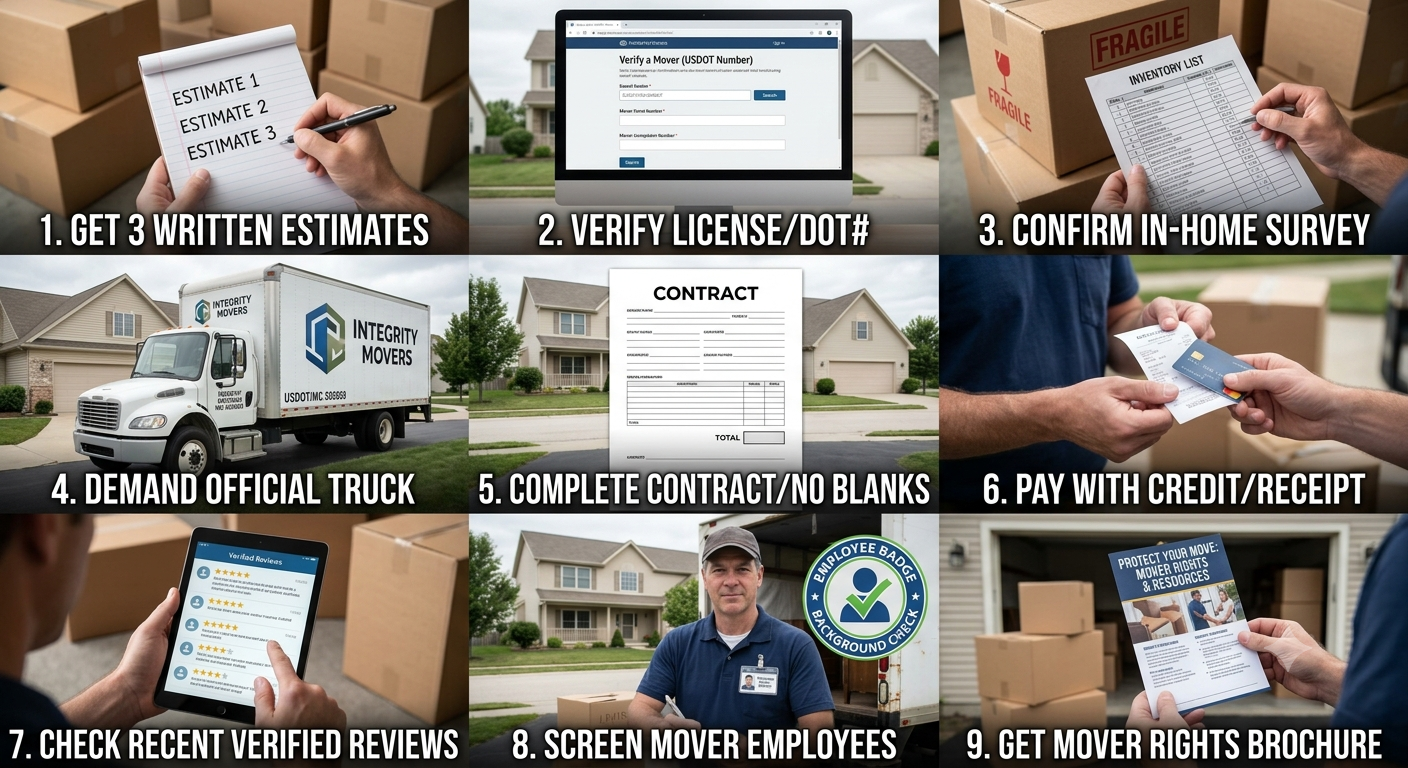
Moving Scammers Take Advantage Less When You Follow These 9 Smart Hiring Tips movingscamstories.com
Moving Scam Stories
2 months ago in Real Estate
Moving to a new home should be exciting, but it often comes with stress and uncertainty. Unfortunately, dishonest movers know this and sometimes use it to their advantage. From hidden charges to delayed deliveries and fake estimates, moving scams can quickly turn a happy relocation into a frustrating experience.
The good news is that Moving scammers take advantage less when customers know what to look for before hiring a moving company. A little preparation goes a long way toward protecting your belongings, your finances, and your peace of mind.
This guide shares nine practical hiring tips that help you identify trustworthy movers, avoid common scams, and make informed decisions throughout your relocation journey.
Why Moving Fraud Continues to Grow
The moving industry has become more competitive than ever. While thousands of professional movers provide excellent service every day, some dishonest operators enter the market hoping to profit from unsuspecting customers.
Several factors contribute to the increase in moving fraud:
- More people relocate for work and lifestyle changes.
- Online advertisements make it easy for fake companies to appear legitimate.
- Customers often book movers in a hurry.
- Many people don’t know how to verify a company’s credentials.
Because moving involves valuable personal belongings, scammers often target people who are under pressure to meet strict moving deadlines.
Fortunately, awareness is one of the strongest defenses against these deceptive practices.
Understanding How Moving Scams Work
Most moving scams follow a predictable pattern. The company attracts customers with unusually low prices, promises excellent service, and then changes the agreement after the moving process begins.
Some dishonest movers may:
- Offer unrealistically low estimates.
- Increase prices after loading belongings.
- Hold items until additional payments are made.
- Disappear after collecting deposits.
- Use vague contracts with hidden fees.
Recognizing these tactics early helps homeowners avoid unnecessary financial losses.
Common Tactics Used by Dishonest Movers
Knowing the warning signs can prevent expensive mistakes.
Some common scam tactics include:
- Extremely low estimates compared to competitors.
- No written contract.
- Requests for large cash deposits.
- Poor communication after booking.
- Generic company names without clear branding.
- No physical office address.
- Refusal to answer licensing questions.
Professional movers are transparent, responsive, and willing to explain every part of the moving process.
Tip #1: Research Every Moving Company Carefully
One of the easiest ways to avoid scams is thorough research. Never hire the first company you find online without comparing multiple options.
Start by checking:
- Online customer reviews
- Business history
- Years in operation
- Complaint records
- Company website
- Contact information
Reading both positive and negative reviews helps you identify patterns. One unhappy customer isn’t necessarily a problem, but repeated complaints about pricing or damaged belongings deserve attention.
While researching moving companies, many consumers also explore educational resources such as Moving Scam Stories to better understand how fraudulent movers operate and what warning signs previous customers experienced. Learning from real situations can help you make more confident hiring decisions.
Read Reviews from Multiple Sources
Don’t rely on only one review platform.
Instead, compare feedback from:
- Google Reviews
- Better Business Bureau
- Social media pages
- Local business directories
- Independent review websites
Look for consistency rather than perfection. Even excellent companies occasionally receive complaints, but their responses often demonstrate professionalism.
Positive indicators include:
- Quick responses
- Clear communication
- Consistent customer satisfaction
- Long operating history
Tip #2: Verify Licensing and Insurance
A professional moving company should have proper licensing and insurance before transporting your belongings.
Verification protects customers because licensed movers must follow industry regulations and maintain certain operating standards.
Depending on the type of move, licensing requirements may differ.
For interstate moves, verify registration through the appropriate government transportation authority.
For local moves, check your state’s licensing requirements.
Always ask for:
- License numbers
- Insurance certificates
- Business registration
- Proof of liability coverage
Reliable companies willingly provide this information.
Why Credentials Matter
Proper credentials indicate that a company takes its responsibilities seriously.
Benefits include:
| Credential | Why It Matters |
|---|---|
| Business License | Confirms legal operation |
| Insurance | Covers potential damage |
| Registration | Demonstrates compliance |
| Physical Address | Improves accountability |
Companies unwilling to share these details should raise immediate concerns.
Tip #3: Request a Written Estimate
One of the most effective ways to ensure moving scammers take advantage less is requesting detailed written estimates from every company you contact.
Avoid accepting verbal price quotes.
Instead, request an estimate that includes:
- Labor costs
- Transportation fees
- Packing charges
- Fuel costs
- Extra services
- Delivery timeline
Everything should be documented before signing an agreement.
Written estimates reduce misunderstandings and provide valuable documentation if disputes arise later.
Compare More Than One Quote
Getting multiple estimates helps you understand average market pricing.
Instead of choosing the cheapest company immediately, compare:
- Services included
- Insurance options
- Estimated delivery time
- Additional fees
- Customer support
- Company reputation
If one quote is dramatically lower than every other estimate, investigate carefully before accepting it.
An unusually low price often signals hidden charges or poor service quality rather than genuine savings.
Tip #4: Avoid Large Upfront Deposits
One of the clearest warning signs of a potential scam is a company asking for a large deposit before the move begins. While some reputable movers may require a small reservation fee, they generally do not demand a significant payment before providing any service.
Scammers often collect deposits and then:
- Cancel at the last minute.
- Become difficult to contact.
- Raise the price unexpectedly.
- Disappear completely.
Instead, choose companies that offer secure and transparent payment options. Read the payment terms carefully before signing any agreement.
Smart Payment Practices
To reduce your risk:
- Pay with a credit card whenever possible.
- Keep copies of every receipt.
- Avoid cash-only businesses.
- Never send money through untraceable payment methods.
- Confirm when the final payment is due.
Taking these simple precautions makes it much harder for dishonest movers to take advantage of you.
Tip #5: Watch for Red Flags During Communication
Professional movers communicate clearly from your first inquiry until your belongings arrive. If communication feels rushed, confusing, or evasive, treat it as a warning sign.
Pay attention to how the company answers your questions. Reliable businesses explain their services, pricing, and policies without hesitation.
Common Communication Red Flags
Be cautious if a mover:
- Refuses to provide written information.
- Doesn’t answer questions directly.
- Frequently changes the quoted price.
- Uses pressure tactics to book immediately.
- Has inconsistent contact information.
- Doesn’t return calls or emails promptly.
Trust your instincts. If something feels off during the initial conversation, it’s often best to continue your search.
Tip #6: Check the Company’s Physical Presence
A legitimate moving company should have a verifiable business location. Although some companies operate remotely, they should still have a registered office, warehouse, or service location.
Before hiring a mover:
- Visit their website.
- Verify the address.
- Check online maps.
- Confirm the phone number.
- Look for company vehicles with branding.
A physical location adds credibility and makes it easier to resolve issues if they arise.
Questions to Ask
Ask the moving company:
- How long have you been operating?
- Do you own your trucks?
- Where is your office located?
- Who will handle my move?
- Can I visit your location?
Honest companies usually welcome these questions.
Tip #7: Read the Contract Before Signing
Many moving disputes occur because customers sign contracts without reading the details. Even if you’re in a hurry, take time to review every page carefully.
A professional contract should clearly explain:
- Total estimated cost
- Services included
- Delivery schedule
- Insurance coverage
- Cancellation policy
- Additional fees
- Customer responsibilities
Never sign blank or incomplete documents.
Important Contract Checklist
Before signing, confirm that the agreement includes:
| Item | Verified |
|---|---|
| Written estimate | ✔ |
| Pickup date | ✔ |
| Delivery date | ✔ |
| Payment terms | ✔ |
| Insurance information | ✔ |
| Contact details | ✔ |
If anything is unclear, ask for clarification before moving forward.
Tip #8: Keep an Inventory of Your Belongings
Creating a detailed inventory helps protect your belongings throughout the moving process. It also provides valuable documentation if anything is damaged or goes missing.
Your inventory should include:
- Furniture
- Electronics
- Appliances
- Jewelry
- Important documents
- Fragile items
Photograph valuable belongings before packing. Date-stamped photos provide additional evidence if you need to file a claim later.
Benefits of an Inventory
A detailed inventory helps you:
- Track every item.
- Verify delivery.
- Support insurance claims.
- Identify missing boxes quickly.
- Reduce confusion during unpacking.
Organization can save both time and money.
Tip #9: Know Your Rights as a Customer
Understanding your rights is one of the strongest ways to ensure Moving Scammers Take Advantage Less during your relocation.
Every customer deserves:
- Honest pricing
- Written agreements
- Safe handling of belongings
- Fair complaint procedures
- Clear communication
- Professional service
Before your move, learn about the regulations that apply in your area. Knowing what movers are legally required to provide makes it easier to recognize suspicious behavior.
If a company refuses to honor its agreement, document everything and report the issue to the appropriate consumer protection or transportation authority.
Additional Tips for a Safe Move
Even after choosing a reputable mover, these habits can make your relocation even smoother:
- Book your mover well in advance.
- Label boxes clearly.
- Pack essential items separately.
- Keep valuables with you.
- Confirm moving dates several days before pickup.
- Save copies of all paperwork.
- Inspect your belongings before signing the final delivery receipt.
Small preparations often prevent large problems later.
Frequently Asked Questions
1. What is the most common moving scam?
The most common scam involves offering an extremely low estimate and then demanding much higher payment after loading your belongings.
2. How can I verify whether a moving company is legitimate?
Check its business license, insurance, customer reviews, physical address, and registration with the appropriate authorities before booking.
3. Should I pay a large deposit before moving?
No. Reputable movers generally require little or no upfront payment. Large deposits should be treated as a warning sign.
4. Why are written estimates important?
Written estimates clearly outline pricing and services, reducing misunderstandings and providing documentation if disputes arise.
5. What should I do if my belongings are damaged?
Document the damage immediately, notify the moving company, keep photographs, and file a claim according to your contract and insurance policy.
6. Where can I learn more about moving regulations?
You can review official consumer guidance from the Federal Motor Carrier Safety Administration (FMCSA), which provides valuable information about interstate moving rights and responsibilities.
Conclusion
Hiring a moving company doesn’t have to be stressful. By researching businesses, verifying licenses, requesting written estimates, avoiding excessive deposits, reviewing contracts carefully, and maintaining a detailed inventory, you significantly reduce the likelihood of becoming a victim of fraud.
Remember that Moving Scammers Take Advantage Less when customers stay informed and make thoughtful decisions. Spending a little extra time evaluating movers today can save you from financial losses, damaged belongings, and unnecessary frustration tomorrow.
Approach every move with preparation, patience, and confidence. A trustworthy moving company will welcome your questions, provide transparent information, and work hard to earn your trust. Following these nine smart hiring tips will help ensure your next move is safe, efficient, and worry-free.
voters
Report Story Related Stories











Recent Stories