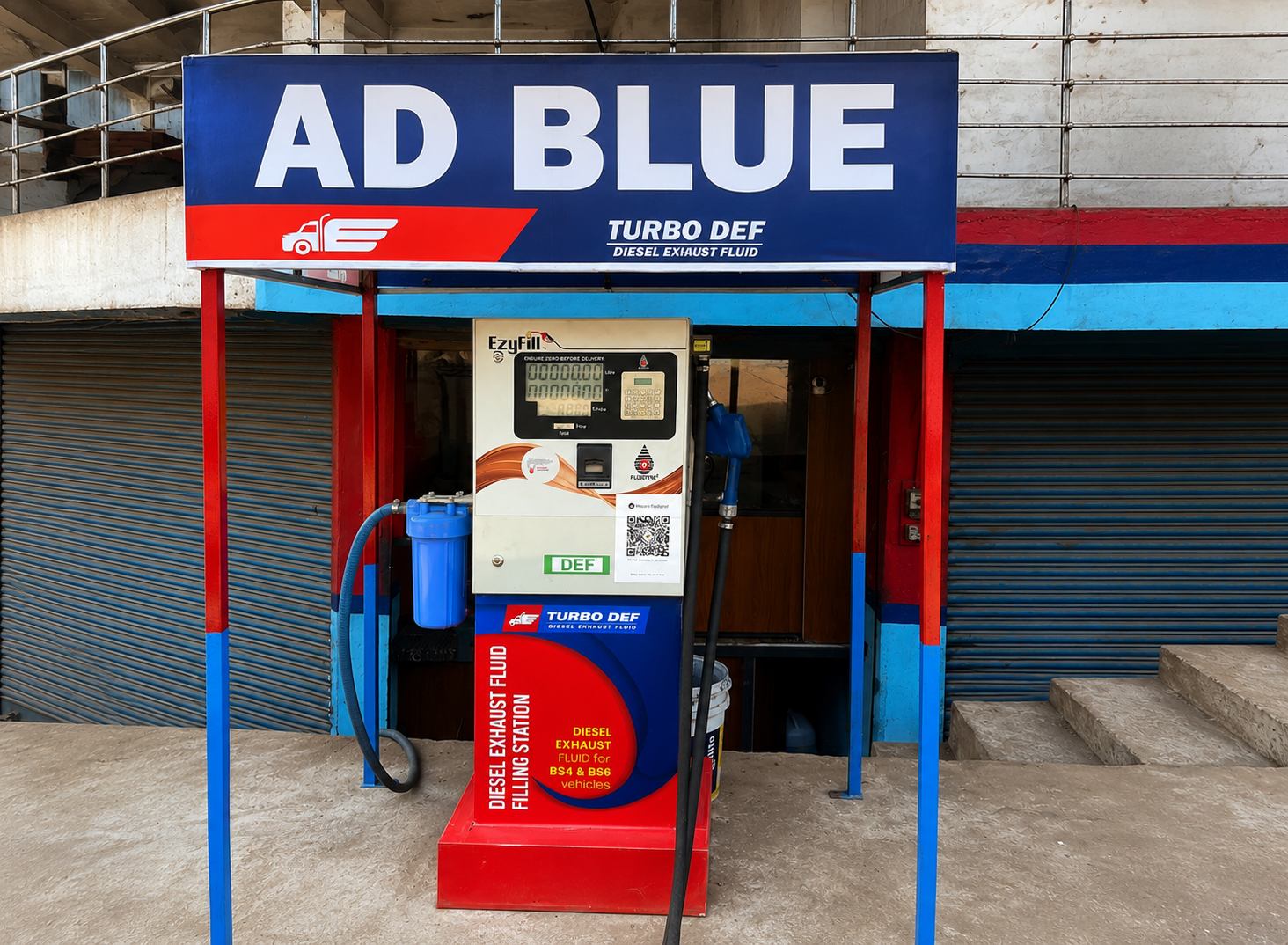
 Fluidyne Control
9 hours ago in Business Services
High Authority Social Bookmarking Site for UAE SEO in 2026 - A2Bookmarks UAE
Welcome to A2Bookmarks UAE, a premier social bookmarking site designed for discovering and sharing the latest trends in the UAE. Our social bookmarking site for the UAE offers an engaging and seamless experience, created specifically for the UAE community. Explore popular local content on one of the leading UAE social bookmarking sites for 2026, save your favorite websites, and connect with like-minded individuals. With our intuitive interface, you can effortlessly categorize and access your bookmarks, while our vibrant community keeps you updated with relevant content. Whether you are looking for top business resources, trending entertainment, or essential local services, our platform helps you organize and discover the best of the web among the top social bookmarking sites in the UAE. Join the A2Bookmarks UAE community today to streamline your online browsing and stay ahead with curated content through the best social bookmarking sites for the UAE market.
The Fuel Efficiency Blueprint: Turning Consumption Data into Industrial Savings fluidynecontrol.com
Fluidyne Control
9 hours ago in Business Services
1. Why Fuel Consumption Tracking Is Becoming Essential
Fuel consumption meters help industries measure fuel usage accurately and understand how efficiently their equipment operates. Across manufacturing plants, construction sites, transportation fleets and power generation facilities, fuel remains a significant operating expense. However, businesses cannot control what they cannot measure. Without dependable consumption data, operators may struggle to identify excessive fuel usage, compare equipment performance or recognise changes that could indicate operational inefficiencies.
Moreover, fuel consumption rarely remains constant. Engine load, operating hours, maintenance conditions and equipment utilisation can all influence the quantity of fuel required. Even a small increase in consumption can create substantial additional expenses when machines operate for long hours or across multiple locations. Therefore, accurate fuel monitoring gives businesses a practical way to improve cost visibility, support maintenance decisions and manage resources more effectively.
2. What Are Fuel Consumption Meters?
Fuel consumption meters are instruments designed to measure the quantity of fuel used by engines, generators, vehicles and industrial machinery. They provide information about fuel flow and consumption over a particular period. Depending on the application, a meter may measure the fuel entering an engine, monitor the return flow or calculate actual consumption by comparing both measurements.
These instruments are available in different designs and measurement technologies to suit specific operating requirements. Some use positive displacement mechanisms, while others rely on electronic sensing or turbine-based measurement principles. The choice depends on factors such as fuel type, flow range, operating pressure, temperature and required accuracy. Consequently, selecting the right meter helps businesses obtain dependable readings and make better use of fuel consumption data.
3. How Do Fuel Consumption Meters Work?
The operating principle depends on the technology used inside the meter. In a typical installation, fuel travels through a pipeline and passes through the measuring chamber or sensing element. As fuel flows through the instrument, the meter detects its movement and converts it into a measurable quantity. Depending on the model, the readings may appear on a mechanical counter, digital display or connected monitoring system.
However, measuring fuel consumption in an engine can require more than monitoring the supply line. Many engines return unused fuel to the tank through a separate return line. In such cases, a suitable system measures both supply and return flow. It then calculates actual consumption by subtracting the return volume from the supply volume. This method provides a more accurate picture of fuel used during operation and helps operators evaluate consumption under different engine loads.
4. Exploring Different Types of Fuel Measurement Technology
Positive displacement meters measure fuel by capturing specific volumes inside a measuring chamber. As the fuel moves through the instrument, internal components repeatedly fill and discharge defined quantities. The meter counts these movements to determine the total volume passing through the system. This technology can provide accurate readings in applications where the fuel properties and operating conditions match the meter’s specifications.
Other fuel measurement technologies use turbine-based or electronic sensing methods. Turbine meters detect flow through the movement of an internal rotor, while electronic instruments may use different sensing principles to calculate fuel flow. Each technology has its own operating range, installation requirements and maintenance considerations. Therefore, businesses should evaluate the application carefully rather than selecting a meter based only on its price or display features.
5. How Accurate Measurement Improves Fuel Cost Management
Fuel expenses can quickly increase when equipment operates inefficiently or when businesses lack visibility into actual consumption. Fuel consumption meters provide measurable information that helps managers understand how much fuel each machine uses. Instead of relying on estimated quantities or general operating averages, businesses can review actual readings and identify equipment that consumes more fuel than expected.
Furthermore, accurate measurement supports better budgeting and operational planning. Businesses can compare fuel consumption across machines, shifts and operating periods to identify unusual patterns. For example, a generator operating at a higher load may naturally consume more fuel than one running under lighter conditions. By understanding these differences, managers can distinguish normal variations from potential inefficiencies and take appropriate action.
6. Applications Across Transportation and Fleet Management
Transportation companies depend heavily on fuel to operate commercial vehicles, buses, trucks and other fleet assets. Fuel consumption meters help fleet managers understand the fuel requirements of individual vehicles and compare their performance over time. This information can highlight unusual consumption patterns that may require investigation, such as excessive idling, changes in driving conditions or possible maintenance issues.
Additionally, fuel measurement data can support more informed fleet planning. Managers can compare similar vehicles operating under comparable conditions and identify opportunities to improve utilisation. When combined with vehicle tracking and maintenance records, consumption data provides a broader view of fleet performance. Consequently, businesses can make better decisions about servicing schedules, vehicle allocation and fuel expense management.
7. Supporting Efficiency in Industrial and Manufacturing Operations
Manufacturing facilities use fuel-powered equipment for several applications, including material handling, heating, power generation and industrial processing. Fuel consumption meters help operators monitor the amount of fuel required by individual machines and systems. This visibility makes it easier to understand operating costs and identify equipment that may not be performing as expected.
Construction and infrastructure projects can also benefit from accurate fuel measurement. Excavators, cranes, loaders, generators and other machinery may operate for extended periods across different locations. Monitoring fuel usage helps project managers understand consumption patterns and compare equipment performance. Moreover, reliable measurement can support better fuel planning at remote sites where fuel deliveries and storage require careful coordination.
8. Fuel Consumption Monitoring and Engine Performance
Fuel consumption can provide useful information about engine performance. When an engine begins consuming more fuel than its normal operating pattern, operators may need to investigate possible causes. These can include changes in engine load, restricted air intake, poor maintenance, fuel system problems or mechanical wear. Although higher consumption does not automatically indicate a fault, it can act as an early warning that deserves attention.
However, operators should interpret fuel readings alongside other performance indicators. Engine speed, operating hours, load, temperature and output can all influence consumption. For instance, a machine performing more demanding work may naturally use more fuel. Therefore, comparing readings under similar operating conditions produces more meaningful results. This approach helps businesses identify genuine changes instead of reacting to normal variations.
9. Important Factors to Consider Before Selecting a Fuel Meter
Selecting the right fuel meter begins with understanding the application. Businesses should identify the type of fuel being measured, the expected flow range and the operating pressure and temperature. The meter must support the required accuracy while remaining compatible with the fuel system. Incorrect sizing can affect measurement reliability, especially when the actual flow frequently falls outside the instrument’s recommended operating range.
Installation conditions also influence equipment selection. Available pipeline space, flow direction, vibration, accessibility and maintenance requirements should all be considered. In addition, businesses may need specific output options for digital monitoring or integration with existing control systems. Reviewing these requirements before purchasing helps ensure that the selected instrument suits the application and provides dependable long-term performance.
10. Installation Practices That Support Reliable Readings
Correct installation plays an important role in fuel measurement accuracy. Operators should follow the manufacturer’s instructions regarding mounting position, flow direction, pipe configuration and operating conditions. Some meters require specific straight-pipe lengths or additional filtration to maintain reliable performance. Therefore, installation requirements should be reviewed before integrating the instrument into an existing fuel line.
Furthermore, the meter should be installed where operators can access it for inspection and maintenance. Connections must be secure, and the pipeline should be checked for leaks or other irregularities. Where the application involves supply and return flow measurement, both measurement points must be installed and configured correctly. A well-planned installation helps reduce measurement errors and makes routine servicing easier.
11. The Role of Calibration and Preventive Maintenance
Regular maintenance helps fuel consumption meters maintain reliable performance. Over time, operating conditions, contamination and component wear may influence measurement accuracy. Businesses should follow the manufacturer’s recommendations for inspection, cleaning and calibration. Depending on the application, calibration checks may also be necessary to meet internal measurement standards or specific operational requirements.
Operators should monitor readings for unexpected changes and inspect the instrument if the results appear inconsistent. They should also maintain records of calibration, servicing and any component replacements. These records make it easier to identify recurring problems and understand how the meter performs over time. Consequently, preventive maintenance helps businesses protect measurement reliability and make decisions based on more dependable data.
12. How Digital Monitoring Makes Fuel Data More Useful
Digital technology has expanded the role of fuel consumption measurement beyond displaying a single reading. Depending on the meter’s capabilities, electronic outputs can send consumption data to displays, data loggers or central monitoring platforms. This allows operators to collect information more consistently and review fuel usage across multiple machines or locations.
In addition, digital records help businesses identify trends that may not be obvious during occasional manual inspections. Managers can compare daily consumption, examine changes across operating shifts and review the impact of maintenance activities. When connected with suitable monitoring systems, fuel measurement data can contribute to broader equipment management strategies. Nevertheless, reliable analysis still depends on correct installation, suitable calibration and consistent data interpretation.
13. Common Challenges in Fuel Consumption Measurement
Incorrect equipment selection is one of the most common challenges in fuel measurement. A meter that does not match the fuel properties or expected flow range may produce unreliable readings. Similarly, unsuitable installation conditions, poor maintenance and incorrect calibration can affect performance. Businesses should therefore evaluate the complete operating environment before selecting and installing a measurement instrument.
Air trapped in a fuel line can also affect certain measurement arrangements. Depending on the meter technology, air bubbles may influence the measured volume and create inconsistent readings. Contamination can present another challenge by affecting internal components or restricting fuel flow. Appropriate filtration, air management and routine system inspections can help address these issues. As a result, maintaining the complete fuel circuit is just as important as selecting a suitable meter.
14. The Future of Fuel Consumption Monitoring
Fuel measurement technology continues to develop alongside industrial automation and digital monitoring. Modern instruments can provide electronic outputs that support automated data collection and equipment performance analysis. These capabilities help businesses monitor fuel usage more consistently and identify unusual changes without depending entirely on manual recording.
As organisations focus more on operating efficiency and cost control, accurate fuel consumption data will remain valuable. Integration with broader monitoring platforms can help managers compare equipment performance and plan maintenance more effectively. However, technology alone cannot guarantee better fuel management. Businesses must combine suitable measurement equipment with proper installation, regular servicing and informed analysis to achieve meaningful results.
15. Conclusion: Make Every Measurement Count
Fuel consumption meters help businesses understand how much fuel their equipment uses and how operating conditions influence consumption. By providing measurable information, these instruments support cost management, equipment monitoring and preventive maintenance. From transportation fleets and construction machinery to industrial generators and manufacturing facilities, accurate fuel measurement gives operators greater visibility into fuel usage and operational performance.
Ultimately, effective fuel management requires attention to the complete fuel handling system. Businesses should select suitable meters, maintain correct installation conditions and monitor readings alongside other equipment performance indicators. Supporting components such as the Strainer air eliminator can also help manage unwanted air and impurities in relevant fuel and fluid handling applications. With accurate measurement and consistent maintenance, organisations can make informed decisions, improve operational control and get more value from every unit of fuel.
voters
Report Story 
Related Stories












Recent Stories