 fueindia prp
4 months ago in Beauty & Personal Care, Health & Wellness
fueindia prp
4 months ago in Beauty & Personal Care, Health & Wellness
High Authority Social Bookmarking Site for UAE SEO in 2026 - A2Bookmarks UAE
Welcome to A2Bookmarks UAE, a premier social bookmarking site designed for discovering and sharing the latest trends in the UAE. Our social bookmarking site for the UAE offers an engaging and seamless experience, created specifically for the UAE community. Explore popular local content on one of the leading UAE social bookmarking sites for 2026, save your favorite websites, and connect with like-minded individuals. With our intuitive interface, you can effortlessly categorize and access your bookmarks, while our vibrant community keeps you updated with relevant content. Whether you are looking for top business resources, trending entertainment, or essential local services, our platform helps you organize and discover the best of the web among the top social bookmarking sites in the UAE. Join the A2Bookmarks UAE community today to streamline your online browsing and stay ahead with curated content through the best social bookmarking sites for the UAE market.
Hair Transplant Cost vs. Long-Term Value: Is the Investment Worth It? fueindia.com
fueindia prp
4 months ago in Beauty & Personal Care, Health & Wellness
Hair loss affects millions of people worldwide, influencing not only appearance but also confidence and self-esteem. As individuals search for effective solutions, they often face a critical question: Is the hair transplant cost worth the investment compared to ongoing temporary treatments?
While the upfront expense of a hair transplant may seem significant, evaluating its long-term value provides a more complete picture. Unlike temporary solutions that require continuous spending, hair transplantation offers a potentially permanent answer to hair loss. Understanding the financial and practical benefits can help individuals make an informed decision about their hair restoration journey.
Understanding Hair Transplant Cost
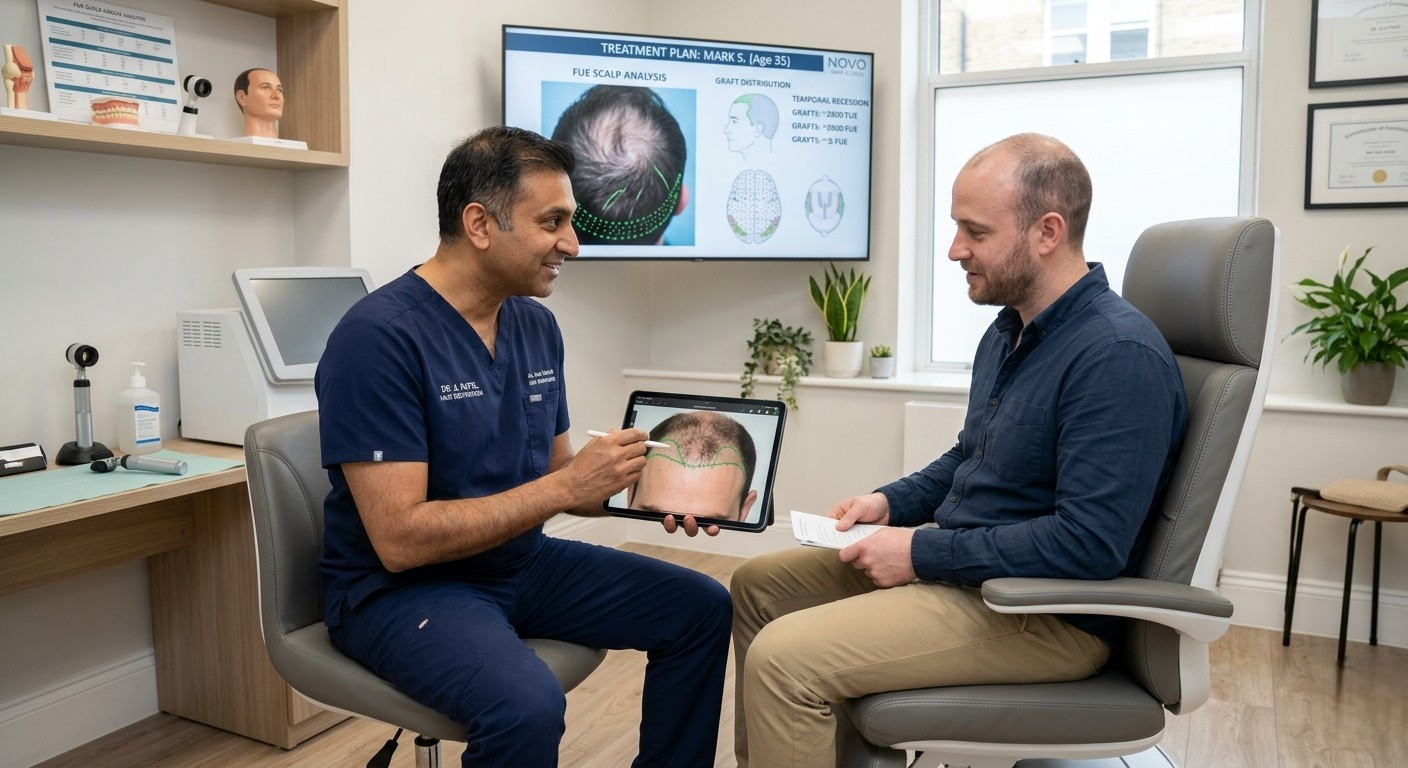
A hair transplant is a surgical procedure that moves healthy hair follicles from a donor area to regions experiencing thinning or baldness. The total hair transplant cost varies depending on factors such as:
- Number of grafts required
- Degree of hair loss
- Surgical technique used
- Surgeon’s expertise
- Clinic location
- Post-operative care requirements
Although the initial investment may appear substantial, it is important to compare it with the cumulative expenses of alternative treatments over many years.
The Hidden Cost of Temporary Hair Loss Solutions
Many people begin their hair restoration journey with non-surgical treatments. While these options may provide temporary improvements, they often require ongoing maintenance and recurring expenses.
Hair Growth Medications
Medications designed to slow hair loss or stimulate growth are among the most common treatments.
However, users typically need to continue taking these medications indefinitely to maintain results. Once treatment stops, hair loss often resumes.
Over a period of 10 to 20 years, the cumulative cost of medications can become substantial, often rivaling or exceeding the original hair transplant cost.
PRP Therapy
Platelet-Rich Plasma (PRP) therapy has gained popularity as a non-surgical treatment for thinning hair.
PRP usually involves:
- Initial treatment sessions
- Maintenance treatments every few months
- Regular clinic visits
Although individual sessions may seem affordable, ongoing maintenance can significantly increase long-term expenses.
Hair Fibers and Cosmetic Concealers
Hair fibers and scalp concealers provide immediate cosmetic improvements but do not address the underlying issue.
These products require continuous purchasing and daily application. Over many years, the recurring costs can add up while offering only temporary results.
Wigs and Hair Systems
Modern hair systems can produce natural-looking results, but they involve ongoing expenses such as:
- Initial purchase
- Replacements
- Maintenance services
- Cleaning products
- Adhesive materials
Many users spend significant amounts annually to maintain their appearance.
Why Hair Transplants Offer Long-Term Value
When evaluating hair transplant cost, it is important to consider the permanence of the procedure.
Permanent Hair Restoration
The transplanted follicles are typically resistant to the hormones responsible for pattern baldness. Once successfully transplanted and healed, these hairs continue growing naturally for many years.
This permanence distinguishes hair transplantation from most temporary alternatives.
Reduced Ongoing Expenses
After the recovery period, most patients have minimal maintenance costs.
Unlike medications, hair fibers, or hair systems, there is generally no need for continuous monthly spending to maintain results.
Over time, the absence of recurring expenses contributes significantly to the overall value of the procedure.
Natural Appearance
Hair transplantation provides natural hair growth using the patient’s own follicles.
Patients can:
- Wash their hair normally
- Style their hair freely
- Participate in activities without concern
- Avoid daily concealment routines
These practical benefits add value beyond purely financial considerations.
Comparing Long-Term Costs
To understand whether the hair transplant cost is worthwhile, consider a hypothetical comparison.
Temporary Treatment Path
A person may spend money annually on:
- Hair growth medications
- PRP sessions
- Hair thickening products
- Specialized shampoos
- Cosmetic concealers
Over 10 to 15 years, these recurring expenses can accumulate significantly, often reaching or surpassing the cost of a quality hair transplant procedure.
Hair Transplant Path
A hair transplant generally involves:
- Initial consultation
- Surgical procedure
- Recovery medications
- Follow-up appointments
While the upfront investment is larger, the long-term maintenance expenses are typically much lower.
This difference often makes transplantation more cost-effective over an extended period.
The Confidence Factor: An Often-Overlooked Return on Investment
Financial calculations tell only part of the story.
Many patients report improvements in:
- Self-confidence
- Social interactions
- Professional image
- Overall quality of life
While confidence cannot be assigned a precise monetary value, it is often one of the most important benefits of successful hair restoration.
For many individuals, the psychological return on investment is just as valuable as the financial one.
Factors That Influence Long-Term Results
The long-term value of a hair transplant depends on several factors.
Surgeon Expertise
Choosing an experienced surgeon significantly improves the chances of achieving natural-looking and lasting results.
A poorly performed procedure may require corrective treatments, increasing overall costs.
Donor Hair Quality
Strong donor hair contributes to better density and durability.
Patients with excellent donor areas often achieve more satisfying outcomes.
Proper Aftercare
Following post-operative instructions helps maximize graft survival and supports long-term success.
Proper recovery contributes directly to the overall value of the investment.
Managing Future Hair Loss
Some patients may continue experiencing hair loss in non-transplanted areas.
A comprehensive treatment plan can help preserve surrounding hair and maintain a balanced appearance for years to come.
When a Hair Transplant May Not Be the Best Investment
Although hair transplantation offers significant benefits, it may not be suitable for everyone.
Factors that can affect candidacy include:
- Insufficient donor hair
- Certain medical conditions
- Unrealistic expectations
- Ongoing aggressive hair loss
A professional consultation can determine whether the procedure represents a worthwhile investment for a specific individual.
Making the Right Financial Decision
Before committing to a procedure, prospective patients should:
- Research clinic credentials
- Review before-and-after results
- Understand the total treatment cost
- Compare long-term expenses of alternative treatments
- Discuss future hair loss management strategies
Looking beyond the initial price tag allows for a more accurate assessment of overall value.
Conclusion
When comparing hair transplant cost with the long-term expenses of temporary hair loss treatments, many patients discover that hair transplantation offers substantial financial and practical advantages. While the upfront investment is higher, the permanent nature of transplanted hair often eliminates the recurring costs associated with medications, PRP therapy, concealers, and hair systems.
Beyond financial savings, a successful hair transplant can provide lasting confidence, convenience, and natural-looking results. For individuals seeking a long-term solution to hair loss, the investment often proves worthwhile both economically and emotionally.
voters
Report Story 
Related Stories











Recent Stories