 Alita John
7 months ago in Business Services
Alita John
7 months ago in Business Services
High Authority Social Bookmarking Site for UAE SEO in 2026 - A2Bookmarks UAE
Welcome to A2Bookmarks UAE, a premier social bookmarking site designed for discovering and sharing the latest trends in the UAE. Our social bookmarking site for the UAE offers an engaging and seamless experience, created specifically for the UAE community. Explore popular local content on one of the leading UAE social bookmarking sites for 2026, save your favorite websites, and connect with like-minded individuals. With our intuitive interface, you can effortlessly categorize and access your bookmarks, while our vibrant community keeps you updated with relevant content. Whether you are looking for top business resources, trending entertainment, or essential local services, our platform helps you organize and discover the best of the web among the top social bookmarking sites in the UAE. Join the A2Bookmarks UAE community today to streamline your online browsing and stay ahead with curated content through the best social bookmarking sites for the UAE market.
What Is Metal Bearing Repair and Why Is It Important? oel-group.com
Alita John
7 months ago in Business Services
Industrial machines rely on many moving components to function efficiently, and bearings are among the most critical. Bearings reduce friction, support rotating shafts, and allow equipment to operate smoothly under heavy loads and high speeds. Over time, however, these components wear out due to stress, contamination, heat, and lack of lubrication. Instead of replacing expensive parts immediately, many industries turn to metal bearing repair as a cost effective and reliable solution. Repairing bearings can restore their functionality, extend equipment life, and prevent costly downtime in manufacturing and mechanical systems.
Understanding how bearing repair works and why it matters can help businesses maintain equipment performance and reduce long term operational costs. This article explains the basics of bearing repair, common causes of bearing damage, repair techniques, and the overall benefits of restoring metal bearings instead of replacing them.
Understanding the Role of Metal Bearings
Metal bearings are mechanical components designed to reduce friction between moving parts. They support rotating shafts, distribute loads evenly, and ensure stable movement in machinery.
These components are widely used in various industries including manufacturing, power generation, transportation, mining, and heavy equipment operations. Without bearings, machines would experience excessive friction, heat buildup, and rapid wear.
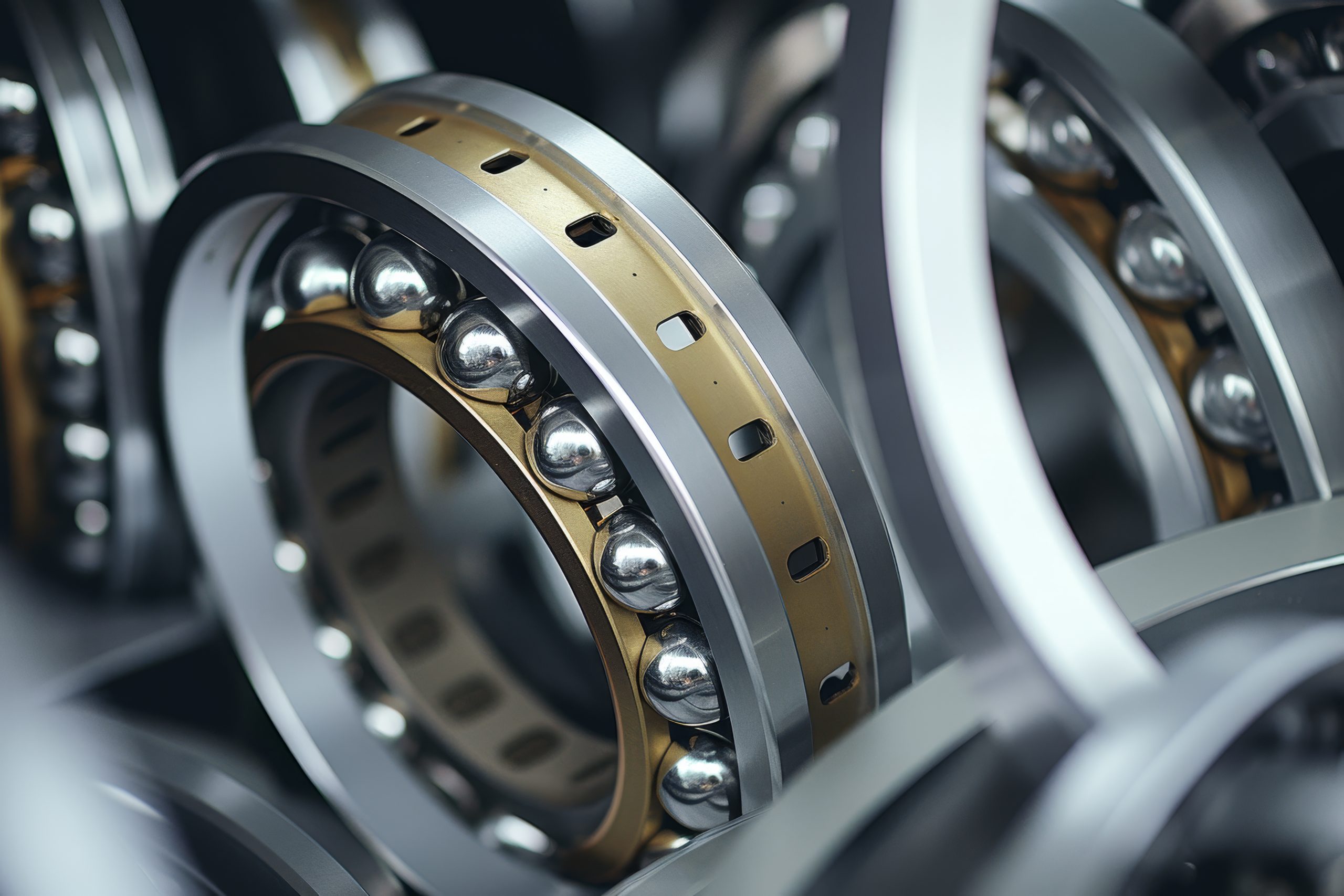
Bearings typically consist of several key parts such as the inner ring, outer ring, rolling elements, and cage. Each of these parts works together to maintain smooth rotation and load support.
When bearings begin to deteriorate, machines may start producing unusual noise, vibrations, or reduced efficiency. Ignoring these signs can eventually lead to equipment failure.
Common Causes of Bearing Damage
Bearings are designed to withstand demanding conditions, but several factors can contribute to their wear and failure over time.
Poor Lubrication
Lubrication is essential for minimizing friction and heat. When lubrication levels are insufficient or the wrong lubricant is used, metal surfaces begin to grind against each other. This can cause scoring, overheating, and surface damage.
Contamination
Dust, debris, and moisture can enter bearing systems if seals are damaged or maintenance is inadequate. Contaminants act like abrasive particles that accelerate wear and reduce the lifespan of the bearing components.
Overloading
Bearings are engineered to carry specific load capacities. When machines operate under loads that exceed these limits, excessive stress can deform bearing surfaces or cause cracks.
Misalignment
Improper installation or machine movement can cause shaft misalignment. This results in uneven load distribution across the bearing surfaces, leading to premature wear.
Corrosion
Exposure to moisture, chemicals, or harsh environmental conditions can lead to corrosion. Rust and oxidation damage the smooth surfaces required for efficient rotation.
Understanding these causes helps technicians identify problems early and choose appropriate repair strategies.
What Is Bearing Repair?
Bearing repair is the process of restoring worn or damaged bearings to a functional condition. Instead of discarding the component, technicians repair the affected surfaces and structural elements so the bearing can continue operating safely.
Repair procedures vary depending on the level of damage and the type of bearing involved. In many cases, repair can significantly extend the service life of the component.
Repairing bearings involves inspection, cleaning, surface restoration, and precision machining. Skilled technicians ensure that the repaired bearing meets operational requirements before returning it to service.
Key Steps in the Bearing Repair Process
Restoring a damaged bearing requires a systematic process to ensure reliability and safety.
Inspection and Assessment
The first step involves carefully examining the bearing to determine the extent of damage. Technicians inspect for cracks, surface wear, corrosion, and deformation.
Advanced inspection methods may include ultrasonic testing, dye penetrant inspection, or dimensional measurement.
This stage helps determine whether the bearing can be repaired or if replacement is necessary.
Cleaning and Surface Preparation
Once the assessment is complete, the bearing is thoroughly cleaned to remove grease, dirt, and debris. Cleaning ensures that all damaged areas are visible and accessible for repair.
Surface preparation may include grinding or polishing to remove damaged layers and prepare the metal for restoration.
Metal Restoration
Technicians rebuild worn surfaces using specialized techniques such as welding, metal spraying, or precision machining.
These processes restore the original dimensions and structural integrity of the bearing.
Proper restoration ensures that the bearing can once again handle mechanical loads and rotation without excessive friction.
Precision Machining
After restoring the metal surfaces, the bearing undergoes precision machining. This ensures that the dimensions meet strict tolerance levels required for smooth operation.
Accurate machining helps maintain proper alignment and load distribution within the machinery.
Final Testing
Before the repaired bearing is returned to service, technicians perform testing and quality checks. These tests confirm that the bearing meets performance and safety standards.
Testing may include rotation checks, dimensional verification, and load simulation.
Benefits of Repairing Metal Bearings
Repairing bearings offers several advantages that make it an attractive option for industries operating heavy equipment.
Cost Savings
Replacing large industrial bearings can be expensive. Repairing them often costs significantly less than purchasing new components.
This makes repair a practical solution for companies looking to reduce maintenance expenses.
Reduced Downtime
Waiting for new bearings to be manufactured or delivered can delay operations. Repairing existing components is often faster, allowing machines to return to service sooner.
Minimizing downtime is crucial for maintaining productivity in industrial environments.
Extended Equipment Life
When bearings are properly restored, they can continue operating for many years. This extends the overall lifespan of the machinery and reduces the frequency of major component replacements.
Sustainability
Repairing mechanical components instead of discarding them helps reduce industrial waste. It also conserves raw materials and energy that would otherwise be required for manufacturing new parts.
Many industries are adopting repair strategies as part of their sustainability initiatives.
Improved Performance
A properly repaired bearing can perform almost as well as a new one. Precision restoration ensures that surfaces are smooth and properly aligned, which helps maintain efficient machine operation.
Industries That Depend on Bearing Repair
Many industries rely heavily on bearing repair to keep their equipment running smoothly.
Manufacturing
Factories use bearings in motors, conveyors, and production machines. Repairing worn bearings helps maintain continuous production.
Power Generation
Turbines and generators rely on bearings to support rotating shafts. Repairing these components ensures stable energy production.
Mining
Mining equipment operates under extreme loads and harsh conditions. Bearing repair helps reduce the cost of maintaining large machines.
Transportation
Rail systems, heavy vehicles, and marine equipment all depend on bearings. Repairing them improves reliability and safety.
Heavy Machinery
Construction and industrial machinery often use large bearings that are expensive to replace. Repairing them is often the most practical solution.
Preventive Maintenance for Bearings
While repairs are valuable, preventive maintenance can reduce the need for frequent repairs.
Proper maintenance includes regular lubrication, contamination control, alignment checks, and periodic inspections.
Monitoring vibration levels and temperature changes can also help detect problems early.
By identifying potential issues before they worsen, maintenance teams can avoid sudden equipment failure and costly repairs.
Signs That a Bearing Needs Repair
Recognizing early warning signs can prevent severe damage.
Common indicators include unusual noise, increased vibration, overheating, reduced efficiency, and visible wear.
If any of these signs appear, technicians should inspect the equipment immediately.
Early intervention often makes repairs simpler and less expensive.
Final Thought
Industrial machinery depends heavily on reliable bearing performance. When these components begin to wear or suffer damage, replacing them is not always the only option. Repairing them can restore functionality, reduce costs, and extend equipment life. Through proper inspection, restoration techniques, and precision machining, metal bearing repair allows industries to maintain efficient operations while minimizing downtime and waste. By combining repair strategies with preventive maintenance, businesses can ensure their machinery continues to perform safely and effectively for many years.
voters
Report Story 
Related Stories










Recent Stories