 joohn adam
9 months ago in Automotive Services
joohn adam
9 months ago in Automotive Services
High Authority Social Bookmarking Site for UAE SEO in 2026 - A2Bookmarks UAE
Welcome to A2Bookmarks UAE, a premier social bookmarking site designed for discovering and sharing the latest trends in the UAE. Our social bookmarking site for the UAE offers an engaging and seamless experience, created specifically for the UAE community. Explore popular local content on one of the leading UAE social bookmarking sites for 2026, save your favorite websites, and connect with like-minded individuals. With our intuitive interface, you can effortlessly categorize and access your bookmarks, while our vibrant community keeps you updated with relevant content. Whether you are looking for top business resources, trending entertainment, or essential local services, our platform helps you organize and discover the best of the web among the top social bookmarking sites in the UAE. Join the A2Bookmarks UAE community today to streamline your online browsing and stay ahead with curated content through the best social bookmarking sites for the UAE market.
Why Low-Viscosity Automotive Lubricants Are Becoming the Industry Standard relianceauh.ae
joohn adam
9 months ago in Automotive Services
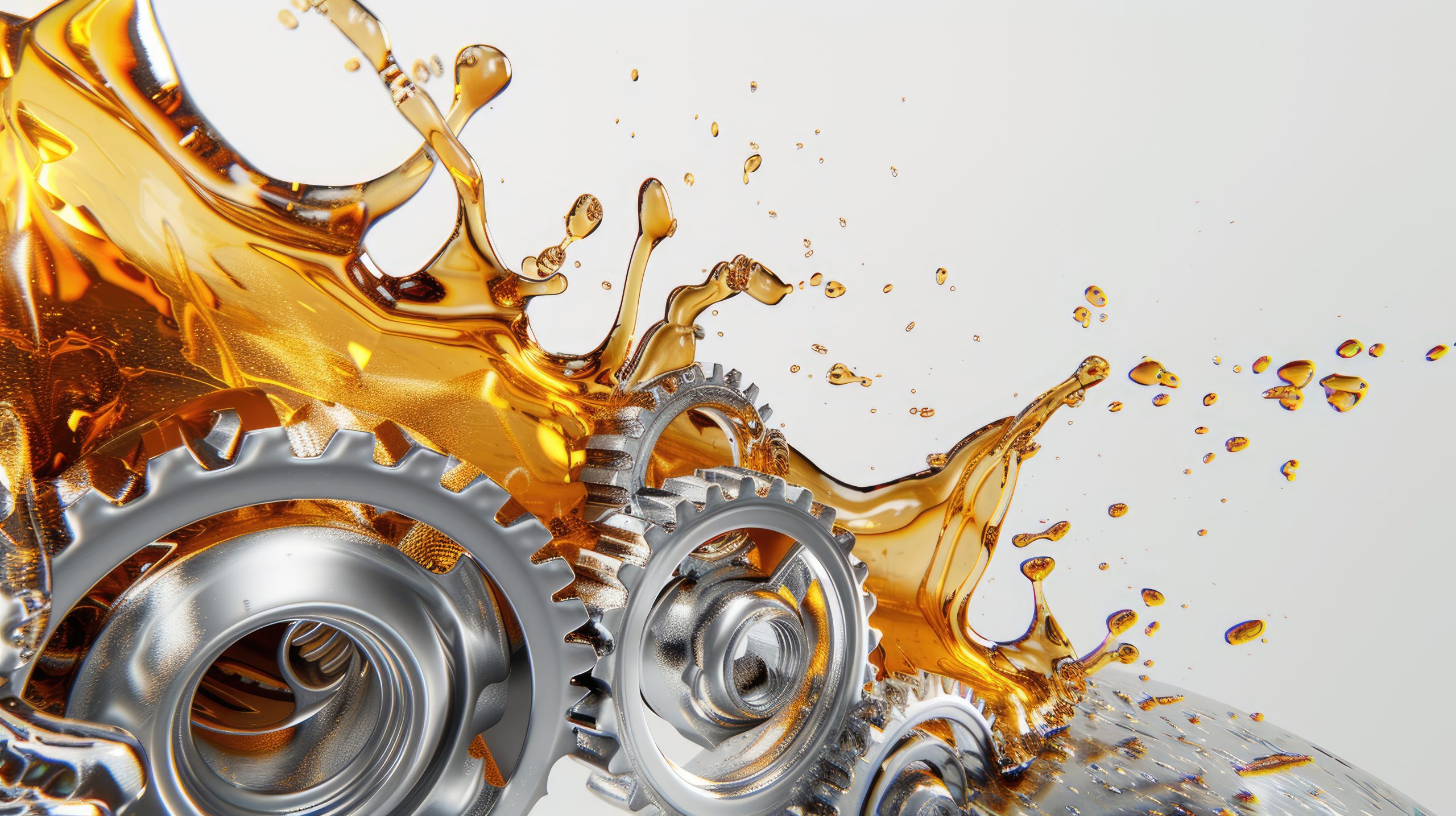
The automotive world is going through a quiet but powerful transformation. One of the most important changes is the growing shift toward low-viscosity oils, a trend driven by efficiency, performance, and sustainability. Modern engines are designed with tighter tolerances, advanced materials, and smarter systems, all of which benefit from lighter oils. As automotive lubricants continue to evolve, low-viscosity formulations are no longer a niche option but a new industry benchmark that supports the demands of today’s vehicles.
Understanding Viscosity and Why It Matters
What Viscosity Really Means
Viscosity refers to a fluid’s resistance to flow. In simple terms, it describes how thick or thin an oil is. High-viscosity oils are thicker and flow more slowly, while low-viscosity oils are thinner and move more freely through an engine.
In older engines, thicker oils were often necessary to maintain a protective film between moving parts. Modern engines, however, are engineered with precision components that function more effectively with oils that circulate quickly and consistently, even at lower temperatures.
The Shift Toward Thinner Oils
Low-viscosity oils reduce internal friction, allowing engine components to move with less resistance. This improved flow means faster lubrication at startup, better protection during cold conditions, and more stable performance across a wide range of driving environments.
As engine designs continue to advance, the need for oils that can keep up with these innovations has accelerated the move toward lighter formulations.
Fuel Efficiency as a Driving Force
Reduced Friction, Better Mileage
One of the strongest reasons low-viscosity lubricants are becoming standard is their contribution to fuel efficiency. Thinner oils reduce the energy required to pump oil through the engine. With less energy lost to friction, more power is directed toward moving the vehicle.
Even small improvements in fuel efficiency can have a significant impact when applied across millions of vehicles. This makes low-viscosity oils an attractive option for both manufacturers and consumers who want to reduce fuel costs.
Supporting Modern Emission Standards
Global emission regulations are becoming stricter each year. Automakers are under constant pressure to reduce carbon output without sacrificing performance. Low-viscosity oils support these goals by improving engine efficiency and helping vehicles meet regulatory targets.
As emission standards tighten, lubricants that enable cleaner operation are no longer optional. They are essential.
Engine Protection in Modern Vehicles
Faster Lubrication at Startup
Engine wear is most likely to occur during startup, especially in cold conditions. Low-viscosity oils flow more quickly when the engine is first turned on, ensuring that critical components receive lubrication almost immediately.
This rapid circulation reduces metal-to-metal contact and minimizes wear during one of the most vulnerable phases of engine operation.
Stability Under High Temperatures
While low-viscosity oils are thinner, modern formulations are designed to maintain strength under high heat. Advanced additive technology ensures that these oils retain their protective properties even when engines operate at elevated temperatures.
This balance of easy flow and thermal stability makes low-viscosity oils suitable for both everyday driving and demanding conditions.
Compatibility With Advanced Engine Technologies
Turbocharged and Hybrid Engines
Turbocharged engines operate at higher temperatures and pressures than traditional engines. They require oils that can handle intense conditions while maintaining consistent lubrication. Low-viscosity oils meet these requirements by providing efficient heat transfer and reliable protection.
Hybrid vehicles also benefit from lighter oils. Since hybrid engines often start and stop frequently, quick oil circulation is essential. Low-viscosity formulations ensure protection every time the engine engages.
Precision Engineering and Tight Tolerances
Modern engines are built with tighter clearances between components. Thicker oils can struggle to move efficiently through these narrow spaces. Low-viscosity oils are better suited to these designs, ensuring even lubrication and reducing the risk of localized wear.
As engineering precision increases, lubricant technology must adapt, and lighter oils are a natural fit.
Longevity and Maintenance Benefits
Cleaner Engine Operation
Low-viscosity oils often include advanced detergents and dispersants that help keep engines clean. By reducing sludge and deposits, these oils contribute to smoother operation and longer engine life.
A cleaner engine also maintains efficiency over time, preventing the gradual performance loss that can occur with buildup.
Extended Drain Intervals
Improved formulation stability allows many low-viscosity oils to last longer between changes. This reduces maintenance frequency and lowers overall ownership costs.
While oil change intervals always depend on driving conditions and manufacturer recommendations, modern low-viscosity oils are designed to perform reliably over extended periods.
The Role of the Supply Chain
Consistency and Quality Standards
As demand for lighter oils grows, the role of industrial lubricant distributors becomes increasingly important. They help ensure that high-quality products reach workshops, service centers, and end users without compromise.
Maintaining consistent quality across batches is critical, especially as engines become more sensitive to lubricant performance.
Supporting Industry-Wide Adoption
Distributors also play a key role in educating the market. By aligning supply with manufacturer specifications and industry standards, industrial lubricant distributors help accelerate the adoption of low-viscosity oils across different vehicle segments.
This support ensures that the transition toward lighter lubricants is smooth and reliable.
Addressing Common Misconceptions
Are Low-Viscosity Oils Less Protective
A common concern is that thinner oils provide less protection. In reality, protection depends on formulation, not thickness alone. Modern low-viscosity oils are engineered with additives that form strong protective films despite their lighter nature.
These oils are tested extensively to meet or exceed performance standards, proving that thinner does not mean weaker.
Suitability for Older Vehicles
Not all vehicles are designed for low-viscosity oils. Older engines may still require higher viscosity grades to maintain proper sealing and pressure. It is always important to follow manufacturer recommendations.
The growing standardization of low-viscosity oils applies primarily to modern engines designed with these formulations in mind.
Economic and Environmental Impact
Cost Savings Over Time
Improved fuel efficiency, reduced maintenance, and longer engine life all contribute to cost savings. While some low-viscosity oils may have a higher upfront cost, the long-term benefits often outweigh the initial expense.
For fleet operators and individual drivers alike, these savings add up over time.
Contribution to Sustainability Goals
Lower fuel consumption directly reduces carbon emissions. When combined with longer oil life and reduced waste, low-viscosity oils support broader sustainability initiatives within the automotive industry.
As environmental responsibility becomes a core focus, lubricants that enable cleaner operation play a vital role.
The Future of Lubricant Technology
Continuous Innovation
Research and development in lubricant chemistry continues to push boundaries. Future low-viscosity oils are expected to deliver even better performance, adaptability, and environmental benefits.
As engines evolve, lubricants will continue to adapt in parallel, reinforcing the trend toward lighter formulations.
Becoming the New Normal
What was once considered specialized is quickly becoming standard. Automakers, service centers, and consumers increasingly recognize the advantages of low-viscosity oils, making them a default choice for new vehicles.
This shift reflects a broader move toward efficiency, precision, and sustainability across the automotive sector.
Final Thought
Low-viscosity automotive lubricants are not just a passing trend. They represent a fundamental change in how engines are protected and optimized for modern demands. By reducing friction, supporting advanced technologies, and contributing to environmental goals, these oils have earned their place as the industry standard. As vehicles continue to evolve, low-viscosity lubricants will remain at the heart of efficient, reliable, and forward-looking engine performance.
voters
Report Story 
Related Stories












Recent Stories