 Nikki Freeman
1 hour ago in Retail Shops
High Authority Social Bookmarking Site for UAE SEO in 2026 - A2Bookmarks UAE
Welcome to A2Bookmarks UAE, a premier social bookmarking site designed for discovering and sharing the latest trends in the UAE. Our social bookmarking site for the UAE offers an engaging and seamless experience, created specifically for the UAE community. Explore popular local content on one of the leading UAE social bookmarking sites for 2026, save your favorite websites, and connect with like-minded individuals. With our intuitive interface, you can effortlessly categorize and access your bookmarks, while our vibrant community keeps you updated with relevant content. Whether you are looking for top business resources, trending entertainment, or essential local services, our platform helps you organize and discover the best of the web among the top social bookmarking sites in the UAE. Join the A2Bookmarks UAE community today to streamline your online browsing and stay ahead with curated content through the best social bookmarking sites for the UAE market.
Natural vs. Maduro Cigars: What’s the Difference? smokenza.com
Nikki Freeman
1 hour ago in Retail Shops
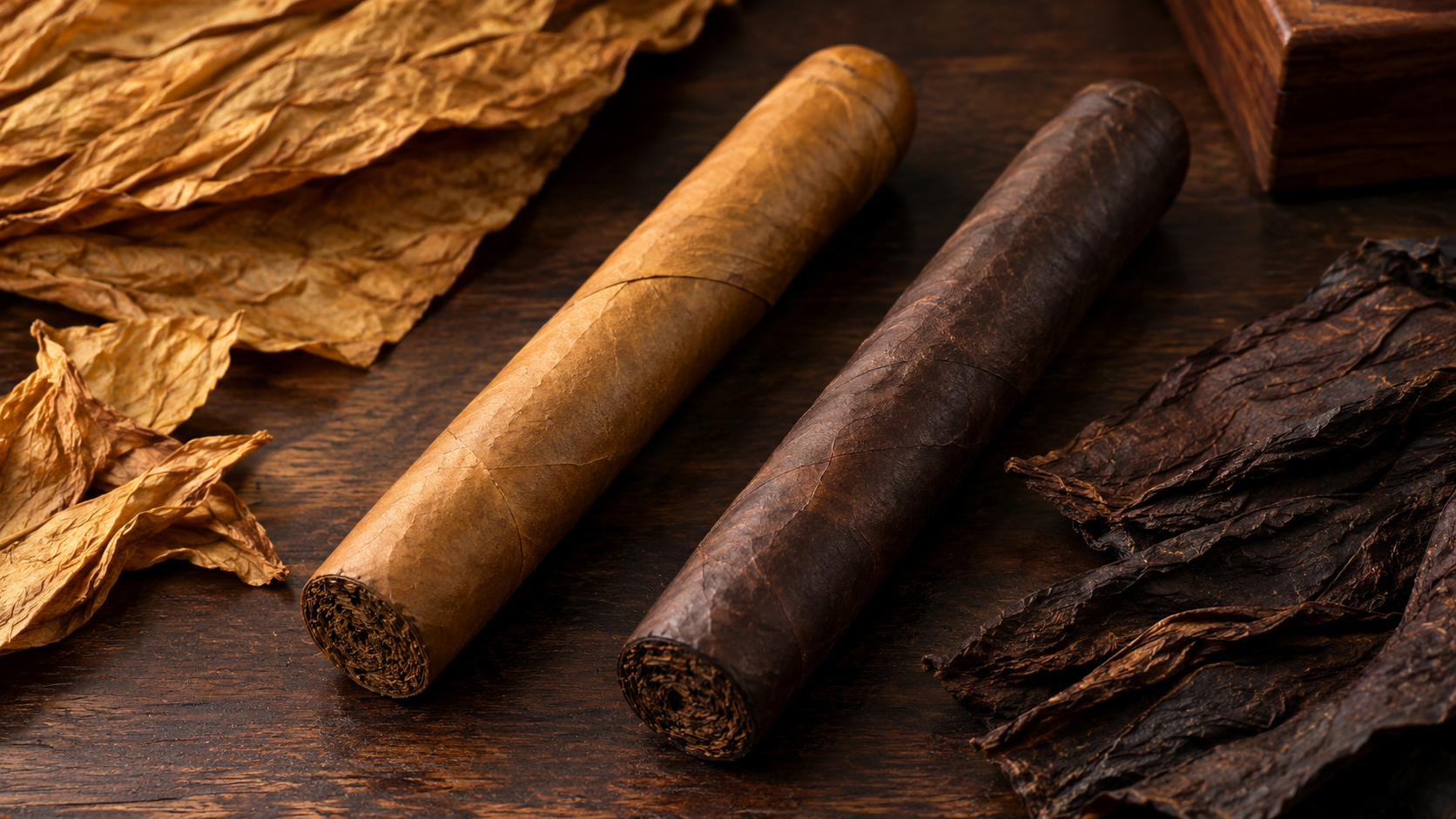
Cigars come in many shapes, sizes, colors, and flavor profiles. However, one of the first differences people notice is the color of the outer tobacco leaf. Some cigars have light, golden-brown wrappers, while others feature deep brown or almost black leaves. These appearances often lead to a common question: What separates Natural cigars from Maduro cigars? Although color is the most obvious distinction, the real differences involve tobacco selection, fermentation, flavor, and production methods.
Understanding these differences can help adult tobacco consumers learn more about cigar construction and product descriptions. For example, people researching tobacco products or looking to buy backwoods tobacco wraps may encounter different leaf colors and processing terms. Knowing what these terms mean provides useful context when comparing tobacco products. Natural and Maduro are not simply two shades of brown. They represent different approaches to processing tobacco and developing its final characteristics.
What Is a Natural Cigar?
A Natural cigar generally features a wrapper that has not undergone the extended fermentation associated with Maduro tobacco. These wrappers usually range from light tan and golden brown to medium brown. However, their exact appearance depends on the tobacco variety, growing conditions, curing methods, and fermentation process.
Natural wrappers are widely used in traditional cigar production. Their lighter appearance can make the veins and texture of the leaf easier to notice. Depending on the variety, a wrapper may look smooth, slightly oily, or visibly textured. Therefore, color alone cannot identify every detail about the tobacco.
Natural wrappers can also come from different tobacco-growing regions. Connecticut, Ecuador, Cameroon, and other origins produce leaves used in various cigar blends. Each region offers different growing conditions, including variations in sunlight, rainfall, soil, and temperature.
These environmental factors influence how tobacco develops. Moreover, the seed variety and the position of a leaf on the plant can affect its texture and character. As a result, Natural cigars do not all taste the same.
Common Flavor Characteristics of Natural Cigars
Natural wrappers are often associated with balanced, lighter, or more clearly defined flavor notes. However, the exact profile depends on the wrapper and the complete tobacco blend. Some cigars offer creamy and nutty characteristics, while others deliver earth, cedar, leather, or spice.
For example, certain Connecticut Shade wrappers are known for their smooth texture and mild character. They may contribute notes of cream, toasted nuts, and gentle wood. These characteristics can complement blends designed around a softer overall profile.
Other Natural wrappers can provide more noticeable spice and complexity. Habano and Corojo varieties, for instance, may produce peppery, earthy, or woody notes. Therefore, the term “Natural” should not automatically be interpreted as mild or flavorless.
The filler tobacco also plays an important role. It can introduce sweetness, strength, spice, and additional layers of flavor. Meanwhile, the binder helps hold the cigar together and contributes to the overall blend. Together, these components create a combined experience rather than a flavor determined by the wrapper alone.
What Is a Maduro Cigar?
Maduro is a Spanish word meaning “mature” or “ripe.” In cigar terminology, it commonly describes a dark wrapper developed through a carefully controlled tobacco-processing method. Maduro wrappers generally range from rich brown to very dark brown and nearly black.
The defining feature is not simply the leaf’s original color. Instead, Maduro production involves selecting suitable tobacco and using a longer or more intensive fermentation process. This process helps develop the wrapper’s dark appearance and characteristic flavor.
Tobacco leaves first undergo curing after harvest. During curing, the leaves lose moisture and undergo natural chemical changes. They are then prepared for further processing, which can include fermentation. Maduro wrappers receive additional processing to develop their distinctive characteristics.
Fermentation requires careful control. Producers monitor conditions such as temperature, moisture, and the condition of the tobacco leaves. If conditions become unsuitable, the leaves may develop inconsistent color or unwanted characteristics. Consequently, producing a quality Maduro wrapper requires knowledge, time, and attention.
Not every dark tobacco leaf is automatically a Maduro wrapper. Growing conditions can also influence leaf color. Nevertheless, extended fermentation is an important part of traditional Maduro production.
Common Flavor Characteristics of Maduro Cigars
Maduro cigars are frequently associated with richer, sweeter, and deeper flavor profiles. Depending on the tobacco and blend, they may feature notes of dark chocolate, coffee, cocoa, molasses, earth, or dried fruit.
These flavors develop through several factors, including tobacco variety and fermentation. During processing, natural compounds in the leaf change, influencing its aroma and taste. The result can be a darker wrapper with a rounder, more developed character.
Some Maduro cigars offer a noticeable sweetness that balances earthy or spicy notes. Others emphasize roasted coffee, dark wood, leather, or cocoa. Therefore, Maduro does not describe one exact flavor.
The filler and binder remain important, too. A Maduro wrapper surrounding a mild blend may produce a different experience from one paired with fuller-bodied filler tobacco. Similarly, two Maduro cigars from different producers can vary considerably.
The wrapper’s appearance may suggest a particular flavor direction, but it cannot guarantee the final result. Reading product descriptions and understanding the blend can provide a more complete picture.
Natural vs. Maduro: The Main Differences
Although both categories use tobacco leaves, their processing and typical characteristics differ. The following comparison highlights the most important distinctions.
| Feature | Natural Cigars | Maduro Cigars |
|---|---|---|
| Typical color | Light tan to medium brown | Dark brown to nearly black |
| Processing | Standard curing and fermentation | Additional or more intensive fermentation |
| Common flavor notes | Cedar, nuts, cream, earth, and spice | Cocoa, coffee, molasses, earth, and dark fruit |
| Sweetness | Varies by leaf and blend | Often more noticeable |
| Strength | Can range from mild to full | Can range from mild to full |
| Appearance | Often lighter, with visible leaf details | Often darker, sometimes with a rich sheen |
| Overall character | May emphasize distinct tobacco and growing-region notes | Often emphasizes deeper, rounded, and sweeter notes |
These differences are general guidelines rather than strict rules. For instance, a Natural cigar can be complex and full-bodied. Likewise, a Maduro cigar can be smooth and relatively mild. The blend, leaf selection, and production methods all affect the final result.
Does a Darker Wrapper Mean a Stronger Cigar?
One common misconception is that darker cigars always contain more nicotine or deliver greater strength. In reality, wrapper color alone cannot determine a cigar’s strength. A Maduro wrapper may create a rich flavor without making the entire cigar stronger.
Strength depends on several factors, including the types of filler tobacco, their position on the plant, and the blend’s composition. Different tobacco leaves contain different amounts of nicotine. The way producers combine those leaves also influences the final product.
Flavor intensity and nicotine strength are separate concepts. A cigar may taste rich and sweet while remaining relatively mild in strength. Conversely, a lighter wrapper can surround a blend with a more pronounced nicotine effect.
For this reason, consumers should not use wrapper color as the only guide when comparing products. Product descriptions may provide information about body, strength, flavor, and construction. Those details offer a more useful overview than appearance alone.
How Growing Conditions Influence Wrapper Characteristics
The differences between Natural and Maduro cigars begin before fermentation. Tobacco plants respond to their growing environment, and these conditions affect the leaves selected for cigar production.
Soil composition influences the nutrients available to the plant. Sunlight affects leaf development, thickness, and texture. Rainfall and temperature also influence growth throughout the season. However, no single environmental factor determines the finished flavor.
The seed variety matters as well. Some tobacco varieties produce leaves with textures and characteristics suitable for particular wrapper styles. Producers consider these traits when selecting leaves for different products.
Growing methods can also affect appearance. Shade-grown tobacco receives filtered sunlight, which can produce larger and more delicate leaves. Sun-grown tobacco develops under more direct light and may produce thicker leaves, depending on the variety and conditions.
After harvesting, curing and fermentation continue to shape the wrapper. Therefore, a finished cigar reflects several connected stages of production. Maduro processing creates a distinctive style, but the original leaf still contributes to the final result.
Understanding Curing and Fermentation
Curing and fermentation are related stages, but they serve different purposes. Curing takes place after harvesting and allows the leaves to dry under controlled conditions. This stage changes their color, moisture content, and chemical composition.
Fermentation follows curing and involves further changes within the tobacco. Producers manage temperature, moisture, and handling to develop the desired characteristics. Leaves may be sorted and processed according to their quality and intended use.
For Maduro wrappers, additional fermentation helps produce darker colors and deeper flavor characteristics. The duration and conditions vary according to the tobacco and the producer’s methods. Consequently, there is no single universal process for every Maduro wrapper.
Natural wrappers also undergo curing and fermentation. The distinction is that they generally do not receive the same extended processing used to develop traditional Maduro characteristics.
These processes require experience because tobacco leaves can respond differently. Careful handling helps maintain consistency in color, texture, and quality. It also helps manufacturers produce wrappers that suit their intended cigar blends.
How to Compare Natural and Maduro Cigars
When comparing these categories, consider more than color. First, read the product description to understand the wrapper type and tobacco blend. Look for details about origin, flavor notes, strength, and construction.
Next, consider the characteristics described by the manufacturer. Terms such as creamy, nutty, earthy, peppery, or sweet can help explain the intended flavor profile. However, tasting notes remain subjective, and individual perceptions vary.
It is also useful to compare products from the same manufacturer when reliable descriptions are available. Some cigar lines offer versions with different wrappers. Comparing their published blend information can help illustrate how wrapper selection influences the final product.
Remember that the wrapper is only one part of a cigar. The filler, binder, manufacturing method, and storage conditions contribute to the overall characteristics. A well-informed comparison considers the complete product rather than focusing on appearance alone.
Storage and Wrapper Appearance
Proper storage helps preserve the condition of tobacco products. Cigars can become too dry or too moist when stored in unsuitable environments. Changes in moisture can affect the wrapper’s flexibility, appearance, and burning characteristics.
A stable storage environment is particularly important for products containing natural tobacco leaves. Excessive dryness may make a wrapper brittle. Too much moisture can contribute to mold and other storage problems.
Color differences should not automatically be interpreted as signs of poor quality. Natural and Maduro wrappers have different expected appearances. However, unusual spots, damaged leaves, or visible mold warrant closer attention.
Follow the manufacturer’s storage guidance whenever available. For premium cigars, a properly maintained humidor can help support suitable humidity and temperature conditions. Avoid exposing tobacco products to sudden environmental changes.
Common Myths About Natural and Maduro Cigars
Several misconceptions can make these categories confusing. The first is that Natural always means mild. In reality, Natural wrappers can appear on cigars with a wide range of strengths and flavor profiles.
The second misconception is that Maduro always means strong. Dark color and rich flavor do not automatically indicate higher nicotine content. The full blend has a greater influence on overall strength.
Another myth is that Maduro wrappers must contain added sugar. Their characteristic sweetness can develop naturally during processing. A dark wrapper does not, by itself, indicate that sweeteners or flavorings were added.
Finally, some people assume every dark wrapper is Maduro. However, color can also reflect tobacco variety, growing conditions, and other processing choices. A reliable product description offers better information than appearance alone.
Understanding these distinctions makes it easier to interpret product labels and compare tobacco products accurately.
Conclusion
Natural and Maduro cigars differ mainly in wrapper appearance, processing, and typical flavor characteristics. Natural wrappers often range from golden tan to medium brown. Depending on the leaf and blend, they may contribute creamy, nutty, woody, earthy, or spicy notes.
Maduro wrappers are generally darker because they undergo additional or more intensive fermentation. This process often develops richer flavors associated with cocoa, coffee, molasses, and dark fruit. However, the final profile depends on the entire tobacco blend.
Most importantly, wrapper color does not determine strength by itself. Natural and Maduro cigars can both vary widely in nicotine content, body, and complexity. Growing conditions, tobacco selection, curing, fermentation, and construction all play important roles.
By understanding these factors, readers can better interpret cigar terminology and product descriptions. The key is to look beyond color and consider the origin, processing, and composition of the tobacco. These details explain why Natural and Maduro wrappers can create noticeably different characteristics.
voters
Report Story 
Related Stories






Recent Stories