High Authority Social Bookmarking Site for UAE SEO in 2026 - A2Bookmarks UAE
Welcome to A2Bookmarks UAE, a premier social bookmarking site designed for discovering and sharing the latest trends in the UAE. Our social bookmarking site for the UAE offers an engaging and seamless experience, created specifically for the UAE community. Explore popular local content on one of the leading UAE social bookmarking sites for 2026, save your favorite websites, and connect with like-minded individuals. With our intuitive interface, you can effortlessly categorize and access your bookmarks, while our vibrant community keeps you updated with relevant content. Whether you are looking for top business resources, trending entertainment, or essential local services, our platform helps you organize and discover the best of the web among the top social bookmarking sites in the UAE. Join the A2Bookmarks UAE community today to streamline your online browsing and stay ahead with curated content through the best social bookmarking sites for the UAE market.

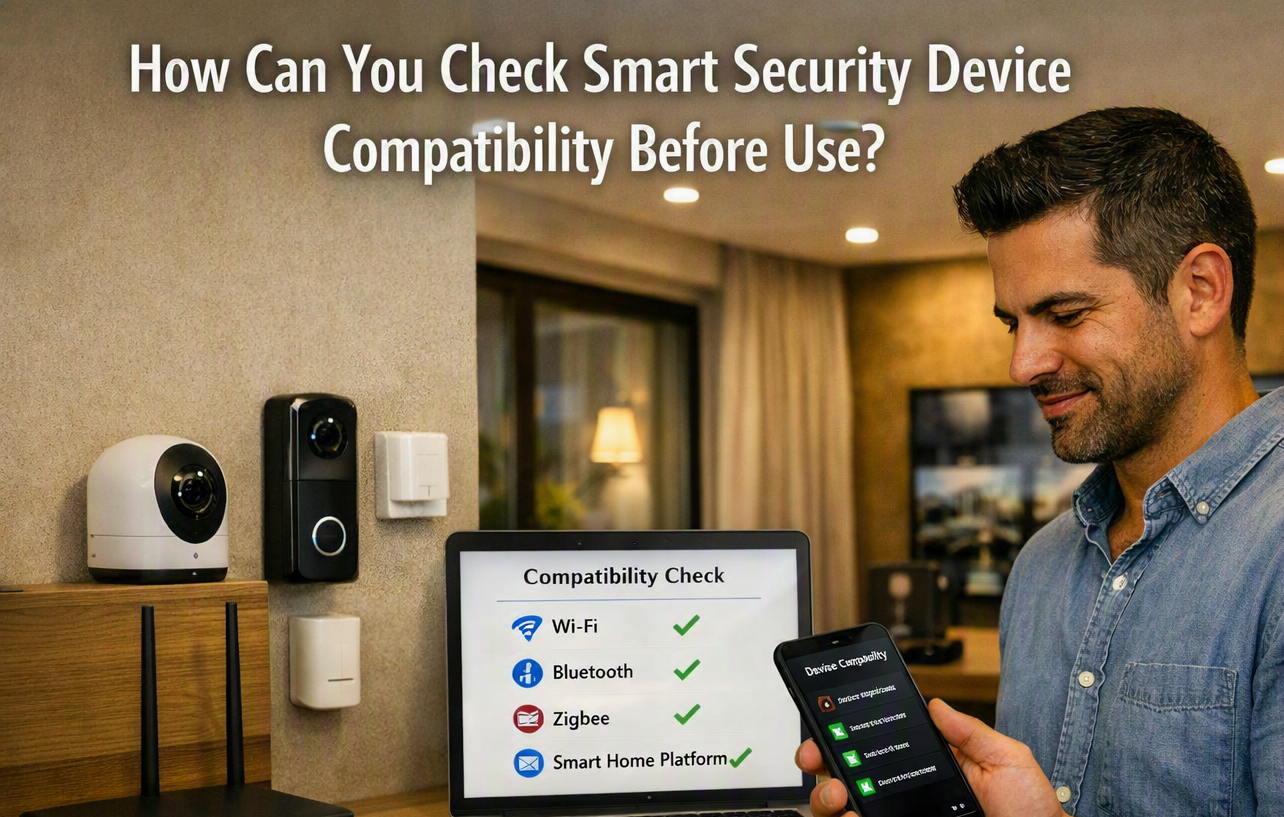
How Can You Check Compatibility Before Integrating Smart Security Devices? ziotech.ae

Smart Home Security Integration works best when all security devices can communicate properly and work with the same control system. Before buying or installing smart cameras, locks, sensors, alarms, or video doorbells, it is important to check whether they are compatible with your existing network and other smart devices. A simple compatibility check can prevent connection problems and help you choose devices that work well together.
Check Your Existing Smart Home System
Start by making a list of the smart devices already installed in your home. Note the brand, model, connection type, and the app used to control each device. This information can help you understand what type of new products will work with your current setup.
Some devices may work through Wi-Fi, while others may use Bluetooth, Zigbee, Z-Wave, Thread, or another communication method. Knowing these details makes it easier to identify compatible products.
Check the Communication Protocol
Smart security devices use different communication standards. A camera may connect through Wi-Fi, while a door sensor may use Zigbee or Z-Wave.
Before purchasing a new device, check which communication protocol it supports. If your smart home hub does not support that protocol, the device may not connect directly.
Some modern devices support more than one standard, which can make future expansion easier. Always check the manufacturer’s technical information before making a choice.
Confirm Hub and Platform Support
A smart security device may need a hub or central controller to communicate with other devices. Check whether the new product supports your existing hub.
Also check whether it works with the smart home platform you use. Some products support platforms such as Apple Home, Google Home, or Amazon Alexa, while others may work only through their own application.
Platform support can change over time, so it is useful to check the current compatibility information before buying.
Check Wi-Fi Requirements
Wi-Fi compatibility is another important factor. Smart cameras and video doorbells can use a large amount of network bandwidth, especially when they send high-quality video.
Check whether the device requires a 2.4 GHz or 5 GHz Wi-Fi connection. Some devices support both, while others may only work with one frequency.
You should also check your router’s security settings. Older devices may have different network requirements from newer products. A strong and stable Wi-Fi connection can also help reduce connection interruptions.
Review Power Requirements
Compatibility is not only about software and wireless connections. Power requirements should also be checked.
Some security devices use batteries, while others need a constant power supply. A smart lock, for example, may have specific battery requirements. A security camera may require a power adapter or a suitable wired connection.
Check voltage, power connectors, battery type, and expected battery life before installation. This can help avoid using an unsuitable power source.
Check App Compatibility
Most smart security devices are managed through a mobile application. Before buying a device, check whether the app works with your smartphone.
Look at the supported Android or iOS versions and check whether the application receives regular updates. An outdated app may cause problems when connecting newer devices.
It is also useful to check whether the device can be controlled from the same application as your existing security products. Using fewer apps can make everyday management easier.
Look for Integration Features
A device may connect to your network but still have limited integration with other products. Check which features are available when the device is connected to another smart home system.
For example, you may want a motion sensor to trigger a camera recording or a smart lock to work with a security routine. These actions depend on the integration features supported by both devices.
Read the product specifications carefully to see which functions are actually supported.
Check Firmware and Software Versions
Firmware is the software that controls a smart device. Manufacturers may release updates to improve security, fix errors, or add compatibility with newer platforms.
Before installation, check the required firmware version. Also make sure your existing hub, router, and other devices are updated when necessary.
Keeping devices updated can improve reliability and reduce problems caused by older software.
Review Manufacturer Compatibility Information
The manufacturer’s website and product documentation are useful sources for checking compatibility. Look for sections that list supported hubs, platforms, operating systems, wireless standards, and other requirements.
Avoid relying only on a product’s general description. Two devices may both be described as “smart” but still use different systems and may not work together directly.
Test Before Full Installation
If possible, test a new security device before installing several units around the property. Connect one device and check whether it communicates correctly with your existing system.
Test important functions such as live video, notifications, motion detection, remote access, and device control. If everything works properly, you can continue with the remaining devices.
A small test can reveal compatibility issues before they affect a larger installation.
Plan for Future Devices
Compatibility should also be considered for future upgrades. You may want to add more cameras, sensors, locks, alarms, or other smart products later.
Choosing a system with broad support for common communication standards and smart home platforms can provide more flexibility. Keep a record of your existing devices and their connection methods so future purchases are easier to plan.
Careful compatibility checks can make Smart Home Security Integration more reliable and easier to manage as your security system grows.
voters
Report Story 
Related Stories












Recent Stories