 Emma Johnson
4 months ago in Construction & Contractors
Emma Johnson
4 months ago in Construction & Contractors
High Authority Social Bookmarking Site for UAE SEO in 2026 - A2Bookmarks UAE
Welcome to A2Bookmarks UAE, a premier social bookmarking site designed for discovering and sharing the latest trends in the UAE. Our social bookmarking site for the UAE offers an engaging and seamless experience, created specifically for the UAE community. Explore popular local content on one of the leading UAE social bookmarking sites for 2026, save your favorite websites, and connect with like-minded individuals. With our intuitive interface, you can effortlessly categorize and access your bookmarks, while our vibrant community keeps you updated with relevant content. Whether you are looking for top business resources, trending entertainment, or essential local services, our platform helps you organize and discover the best of the web among the top social bookmarking sites in the UAE. Join the A2Bookmarks UAE community today to streamline your online browsing and stay ahead with curated content through the best social bookmarking sites for the UAE market.
How Often Should Industrial Lifting Equipment Be Inspected in Ras Al Khaimah? tamamsafety.com
Emma Johnson
4 months ago in Construction & Contractors
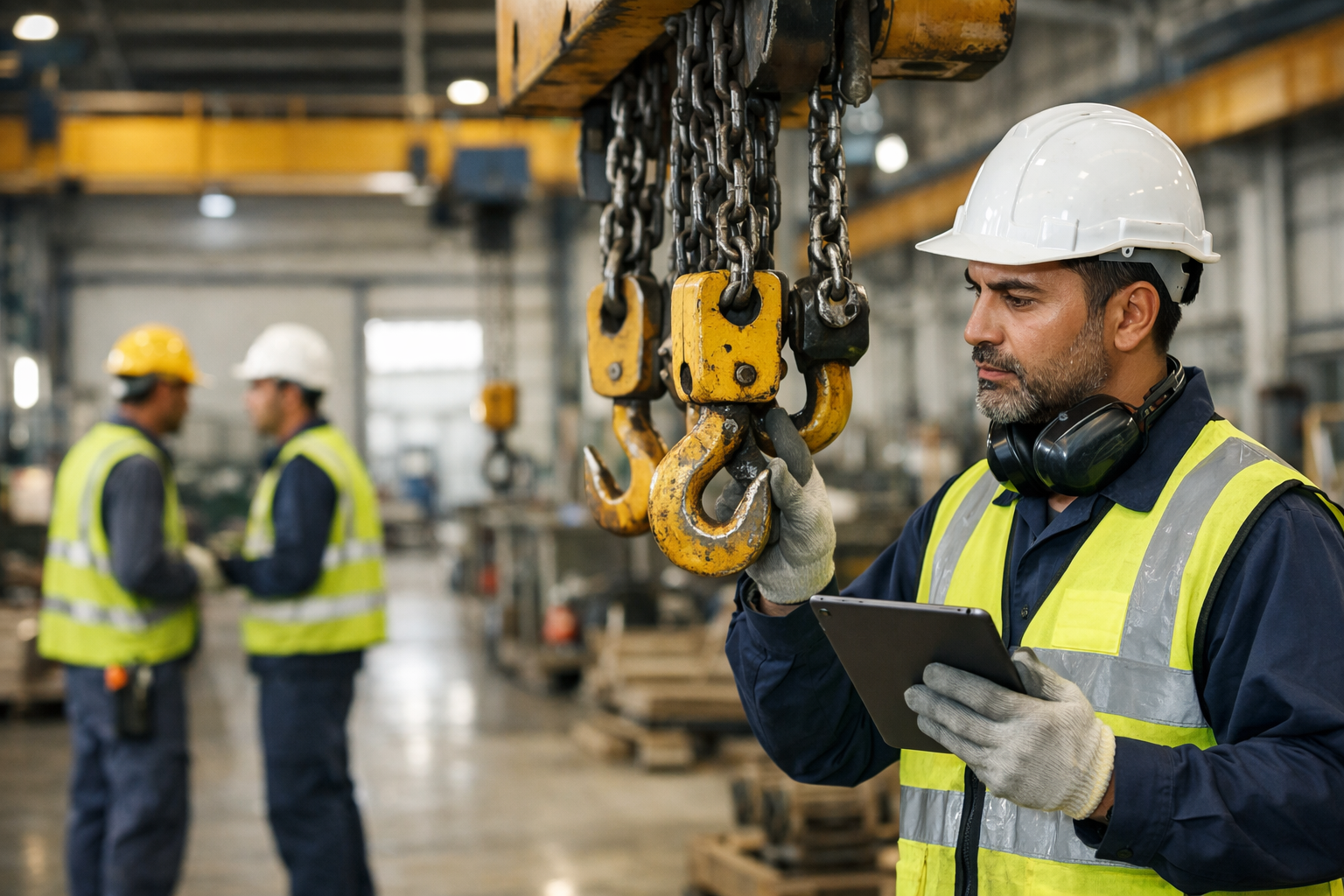
Industrial lifting equipment plays an important role in construction sites, warehouses, factories, ports, and many other workplaces. Businesses that use cranes, hoists, slings, chains, and lifting accessories must pay close attention to equipment condition and safety. Many organizations rely on Lifting Equipment Inspection Companies in Ras Al Khaimah to help ensure that lifting equipment remains safe, reliable, and suitable for daily operations.
Why Regular Lifting Equipment Inspections Matter
Lifting equipment handles heavy loads and is often exposed to demanding working conditions. Over time, parts can wear out, become damaged, or develop defects that may not be visible during normal use.
Regular inspections help identify issues before they become serious problems. They also help improve workplace safety, reduce unexpected equipment downtime, and support smooth operations. When equipment is inspected at the right intervals, businesses can detect wear, corrosion, cracks, loose components, and other signs of deterioration.
Factors That Affect Inspection Frequency
There is no single inspection schedule that fits every piece of lifting equipment. The frequency of inspections often depends on several factors.
One important factor is how often the equipment is used. Equipment that operates daily may require more frequent checks than equipment used only occasionally. The type of load being lifted also matters. Heavy or repetitive lifting activities can place additional stress on equipment components.
Environmental conditions are another consideration. Equipment used outdoors may be exposed to heat, dust, moisture, and other elements that can affect performance over time. Workplaces with harsh conditions may require closer monitoring and more regular inspections.
Daily and Pre-Use Checks
Before using lifting equipment, operators should perform simple visual checks. These inspections help identify obvious issues that could affect safe operation.
Common pre-use checks include looking for damaged hooks, worn chains, broken wires, loose fasteners, bent components, and signs of excessive wear. Operators should also verify that safety devices and controls function properly.
These routine checks take only a short time but can help prevent equipment-related incidents.
Periodic Detailed Inspections
In addition to daily checks, lifting equipment should undergo detailed inspections at regular intervals. These inspections are more comprehensive and are usually carried out by qualified inspection personnel.
During a detailed inspection, critical components are examined carefully to identify defects that may not be visible during routine checks. Inspectors may assess structural integrity, mechanical parts, safety devices, load-bearing components, and operating systems.
The inspection schedule may vary depending on equipment type, operating conditions, and workplace requirements. Keeping accurate inspection records helps organizations track equipment condition over time.
Special Inspections After Unusual Events
Certain situations may require additional inspections outside the normal schedule. For example, equipment should be examined after an overload incident, accidental impact, major repair, modification, or long period of storage.
These inspections help determine whether the equipment remains suitable for continued use. Even if no visible damage is present, hidden defects can sometimes develop after unusual events.
Conducting an additional inspection provides greater confidence in equipment safety and performance.
Importance of Inspection Documentation
Inspection reports provide valuable information about equipment condition and maintenance history. Proper documentation helps businesses monitor trends, schedule repairs, and maintain organized records.
A detailed inspection report may include observations, identified defects, corrective actions, and recommendations for future monitoring. These records can also help maintenance teams make informed decisions about repairs or component replacement.
Good documentation supports a proactive approach to equipment management and helps improve long-term reliability.
Creating an Effective Inspection Program
An effective inspection program combines daily checks, periodic inspections, maintenance activities, and proper record keeping. Businesses should ensure that employees understand inspection procedures and know how to report any concerns.
Regular training can help operators recognize signs of wear and understand the importance of equipment care. A well-planned inspection schedule helps reduce risks and supports safe lifting operations throughout the workplace.
Organizations that work with Lifting Equipment Inspection Companies in Ras Al Khaimah can better understand appropriate inspection intervals and maintain lifting equipment in safe operating condition through structured inspection programs.
voters
Report Story 
Related Stories










Recent Stories