High Authority Social Bookmarking Site for UAE SEO in 2026 - A2Bookmarks UAE
Welcome to A2Bookmarks UAE, a premier social bookmarking site designed for discovering and sharing the latest trends in the UAE. Our social bookmarking site for the UAE offers an engaging and seamless experience, created specifically for the UAE community. Explore popular local content on one of the leading UAE social bookmarking sites for 2026, save your favorite websites, and connect with like-minded individuals. With our intuitive interface, you can effortlessly categorize and access your bookmarks, while our vibrant community keeps you updated with relevant content. Whether you are looking for top business resources, trending entertainment, or essential local services, our platform helps you organize and discover the best of the web among the top social bookmarking sites in the UAE. Join the A2Bookmarks UAE community today to streamline your online browsing and stay ahead with curated content through the best social bookmarking sites for the UAE market.

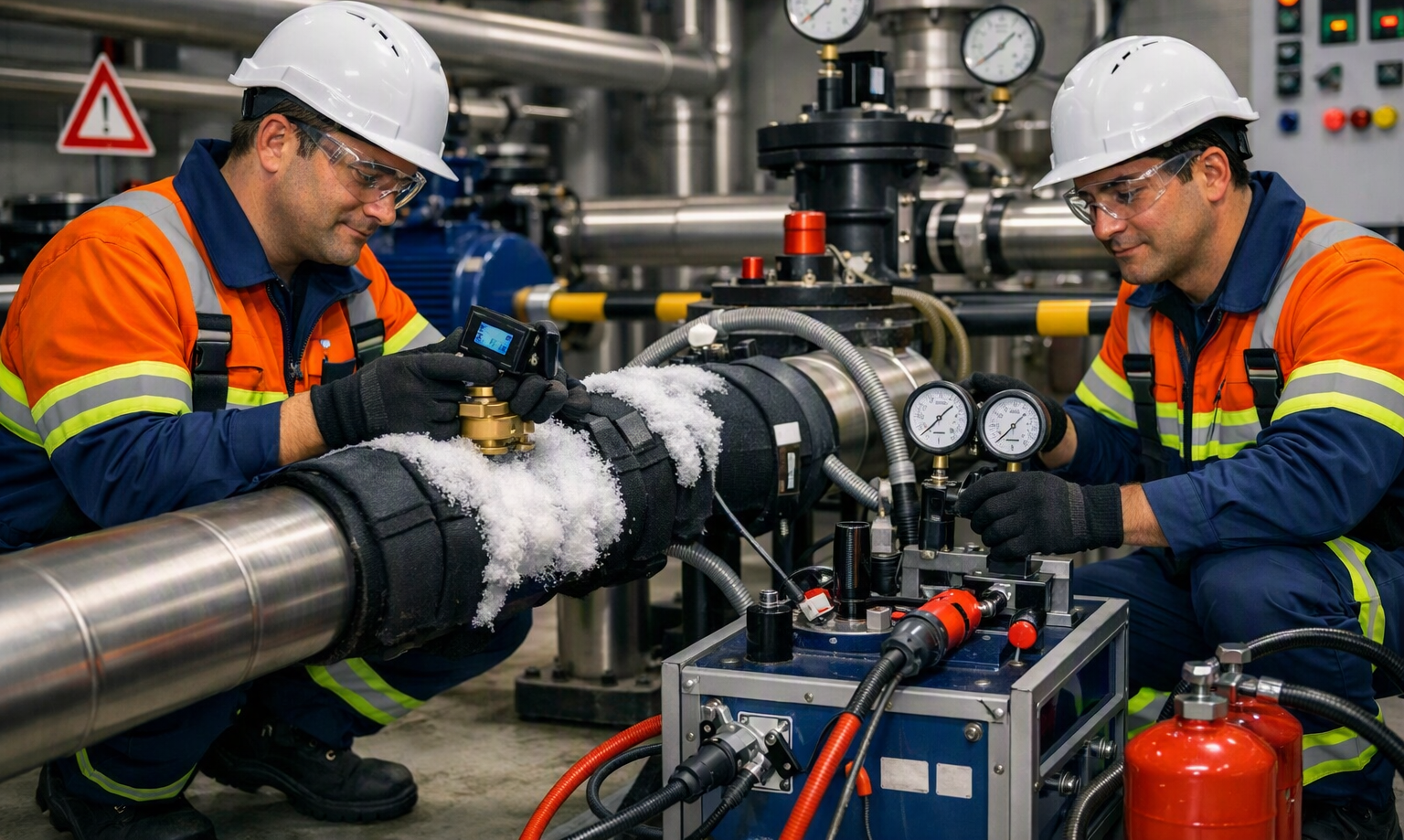
What Safety Steps Are Followed During Pipe Freezing for Industrial Systems? tamamsafety.com

Many industries use Pipe freezing services in UAE when they need to repair or replace valves, fittings, or small sections of a pipeline without draining the entire system. Pipe freezing creates a temporary ice plug inside the pipe, allowing maintenance work to continue while the remaining system stays in operation. Although this method is widely used, every job requires careful planning and strict safety procedures to protect workers, equipment, and the piping system.
Understanding Pipe Freezing Before the Work Starts
Pipe freezing is a controlled process where a section of liquid inside the pipe is frozen using special freezing equipment. The frozen liquid forms a solid ice plug that temporarily stops the flow inside the pipeline.
Before any work begins, technicians study the pipeline carefully. They check the pipe material, pipe size, liquid type, operating pressure, and temperature. These details help determine whether pipe freezing is suitable for the job.
A proper inspection also helps identify any risks that could affect the freezing process. Careful preparation makes the work safer and more reliable.
Checking the Condition of the Pipeline
One of the first safety steps is inspecting the condition of the pipe. Technicians look for signs of corrosion, cracks, dents, leaks, or damaged joints.
A weak or damaged pipe may not be suitable for pipe freezing because the freezing process changes the temperature of the pipe wall. The inspection helps ensure the pipe is strong enough to handle the procedure safely.
If any problems are found, they are addressed before maintenance begins.
Confirming the Type of Liquid Inside the Pipe
Not every liquid freezes in the same way. Before starting the work, technicians confirm what is flowing inside the pipeline.
Clean water freezes differently from liquids that contain chemicals, salt, or other materials. Knowing the liquid type helps technicians select the correct freezing method and equipment.
This step also helps avoid unexpected problems during maintenance.
Selecting the Correct Freezing Equipment
Using the correct equipment is another important safety measure. Freezing jackets, cooling units, temperature sensors, and monitoring devices should match the size and condition of the pipeline.
Properly maintained equipment produces stable cooling and helps create a solid ice plug without damaging the pipe.
All equipment is checked before the operation begins to confirm it is working correctly.
Monitoring Temperature During the Process
Temperature monitoring continues throughout the pipe freezing operation. Technicians use temperature measuring devices to watch how quickly the pipe cools and when the ice plug has fully formed.
Monitoring prevents excessive cooling that could place unnecessary stress on the pipe.
Continuous temperature checks also help confirm that the frozen section remains stable while maintenance work is taking place.
Controlling Pressure Inside the Pipeline
Pressure inside the pipeline is carefully checked before and during pipe freezing. High pressure may affect the formation of the ice plug or create additional risks during maintenance.
Pressure readings are monitored using suitable instruments so technicians know the pipeline remains within safe operating limits.
If pressure changes unexpectedly, work can be paused until conditions become stable again.
Using Proper Personal Protective Equipment
Every technician involved in pipe freezing wears suitable personal protective equipment.
Common protective equipment includes safety helmets, protective gloves, safety glasses, protective clothing, and safety shoes. In some work environments, additional protection may also be required depending on the location and the type of maintenance.
Personal protective equipment helps reduce the risk of injuries while working with cold equipment and industrial piping systems.
Keeping the Work Area Safe
A clean and organised work area improves safety throughout the project.
Unnecessary tools, loose materials, and obstacles are removed before maintenance begins. Warning signs and safety barriers are placed around the work area to prevent people from entering the maintenance zone.
Good housekeeping reduces the chance of slips, trips, and accidental contact with equipment.
Following a Step-by-Step Work Plan
Pipe freezing should always follow a planned procedure. Every stage of the work is completed in the correct order, from equipment setup to freezing, maintenance, and system restoration.
A written work plan allows technicians to understand their responsibilities and helps maintain consistent safety standards.
Careful planning also improves communication among the maintenance team.
Watching the Ice Plug During Maintenance
Once the ice plug is formed, technicians continue monitoring it throughout the repair work.
The frozen section should remain stable until the maintenance task has been completed. Temperature and equipment performance are checked regularly to confirm the ice plug remains effective.
If any unexpected changes are noticed, work can stop while the situation is safely assessed.
Safely Returning the Pipeline to Normal Operation
After maintenance is complete, the freezing equipment is removed carefully. The frozen section is allowed to thaw naturally while technicians continue monitoring the pipeline.
The repaired section is inspected for leaks, and pressure checks are carried out before the system returns to normal operation.
This final inspection helps confirm that the maintenance work has been completed safely and that the pipeline is ready for regular service.
Importance of Following Safety Procedures
Every pipe freezing project requires careful preparation, continuous monitoring, and attention to detail. Each safety step helps reduce risks and supports successful maintenance without unnecessary disruption. By following proper procedures, industries can carry out maintenance work safely while protecting both workers and pipeline systems. Many facilities continue to rely on Pipe freezing services in UAE because careful planning and proper safety practices make the process suitable for many industrial maintenance applications.
voters
Report Story 
Related Stories












Recent Stories