 bruce waynee
59 minutes ago in Business Services
bruce waynee
59 minutes ago in Business Services
High Authority Social Bookmarking Site for UAE SEO in 2026 - A2Bookmarks UAE
Welcome to A2Bookmarks UAE, a premier social bookmarking site designed for discovering and sharing the latest trends in the UAE. Our social bookmarking site for the UAE offers an engaging and seamless experience, created specifically for the UAE community. Explore popular local content on one of the leading UAE social bookmarking sites for 2026, save your favorite websites, and connect with like-minded individuals. With our intuitive interface, you can effortlessly categorize and access your bookmarks, while our vibrant community keeps you updated with relevant content. Whether you are looking for top business resources, trending entertainment, or essential local services, our platform helps you organize and discover the best of the web among the top social bookmarking sites in the UAE. Join the A2Bookmarks UAE community today to streamline your online browsing and stay ahead with curated content through the best social bookmarking sites for the UAE market.
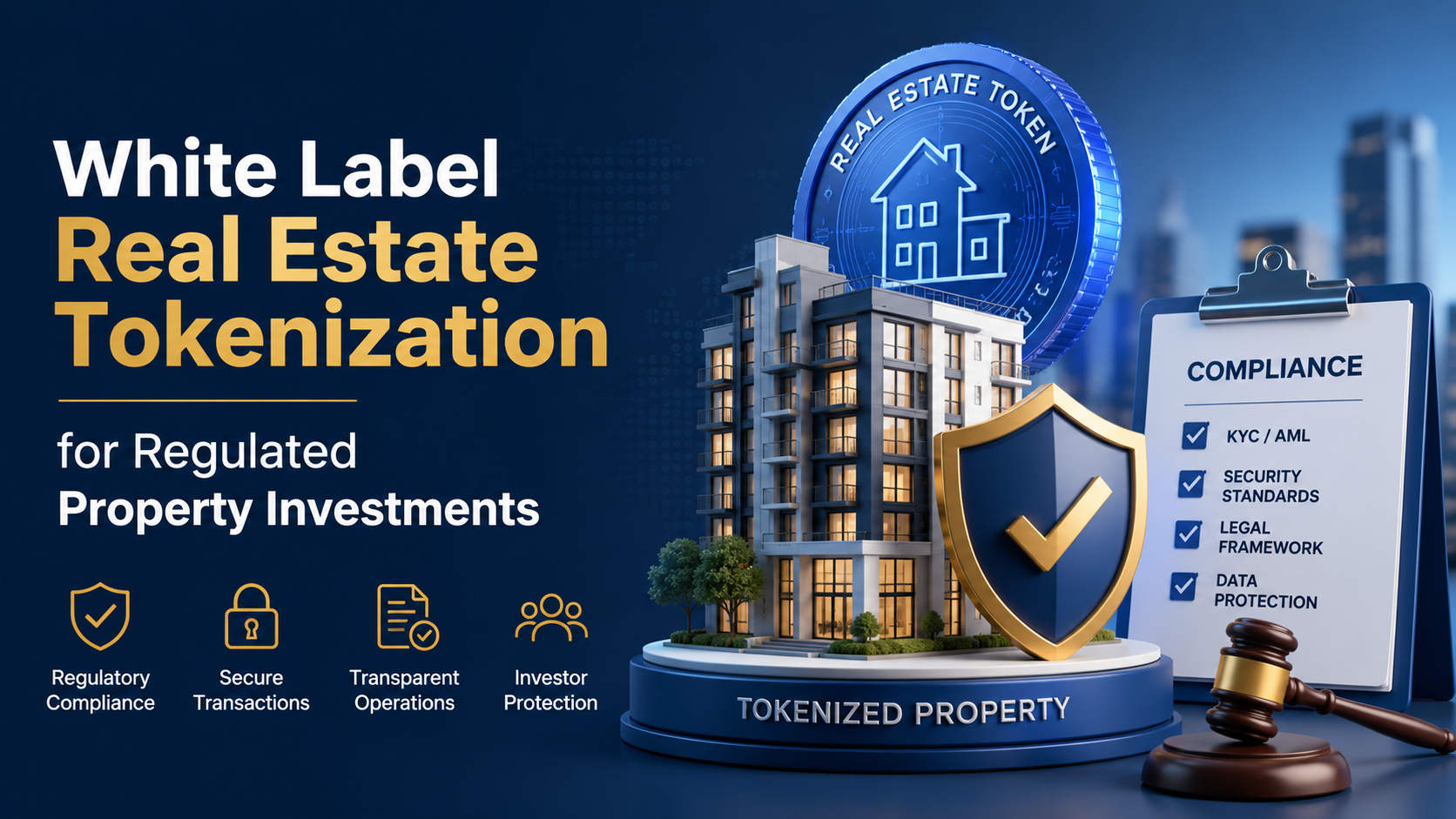
White Label Real Estate Tokenization for Regulated Property Investments blockchainappfactory.com
bruce waynee
59 minutes ago in Business Services
The real estate industry is steadily moving toward digital investment models that improve accessibility, efficiency, and compliance. Property owners, investment firms, and fintech companies are looking for practical ways to introduce blockchain-backed property investments without spending years developing technology from the ground up. This is where White Label Real Estate Tokenization offers a practical solution. It allows businesses to launch a ready-made tokenization platform under their own brand while meeting regulatory requirements that govern digital assets and property investments.
Regulated property investments require more than blockchain technology. They also depend on investor verification, legal documentation, compliance monitoring, secure transactions, and transparent ownership records. A white label solution combines these capabilities into a single platform, helping businesses enter the market faster while following applicable regulations. As governments continue to refine digital asset policies, businesses that prioritise compliance are better positioned to attract investors and build long-term credibility.
Understanding White Label Real Estate Tokenization
White Label Real Estate Tokenization is the process of using a pre-developed platform to convert ownership rights of real estate assets into digital tokens that can be offered under a company’s own brand. Instead of creating a tokenization platform from scratch, businesses customise an existing solution with their branding, investment models, and business requirements.
These digital tokens can represent fractional ownership in residential, commercial, industrial, or mixed-use properties. Investors purchase tokens that reflect their ownership interest while the platform manages transactions, investor records, and reporting.
A White Label Real Estate Tokenization Platform allows organisations to reduce development time and focus on launching regulated investment products for their target audience.
Why Regulation Matters in Property Tokenization
Real estate investments are subject to legal and financial regulations in most countries. When ownership is represented through digital tokens, businesses must continue following these rules while also addressing blockchain-related compliance.
Regulatory compliance helps businesses:
- Verify investor identities through KYC procedures.
- Meet Anti-Money Laundering (AML) requirements.
- Maintain accurate ownership records.
- Protect investor rights.
- Follow securities regulations where applicable.
- Maintain transparent reporting for regulators and investors.
Businesses that ignore compliance may face legal complications, delayed launches, or reduced investor confidence. A regulated approach creates a more reliable investment environment.
Features That Support Regulated Property Investments
A White Label Real Estate Tokenization Platform Development project should include features that help businesses satisfy operational and regulatory requirements.
Investor Verification
Every investor should complete identity verification before participating in token purchases. Automated KYC and AML processes simplify onboarding while reducing manual work.
Smart Contract Automation
Smart contracts automate token issuance, ownership transfers, dividend distribution, and transaction recording according to predefined rules.
Compliance Controls
Built-in compliance tools help restrict investments based on jurisdiction, investor eligibility, and applicable legal requirements.
Digital Asset Management
The platform keeps property information, token ownership records, investment history, and transaction data organised in a secure environment.
Document Storage
Legal agreements, offering documents, ownership certificates, and compliance records remain accessible through secure digital storage.
Audit Trail
Every transaction is permanently recorded, creating a transparent history that supports audits and regulatory reviews.
Benefits for Businesses
Businesses entering regulated property investment markets can achieve several advantages through White Label Real Estate Tokenization Services.
Faster Market Entry
Developing blockchain infrastructure from scratch requires significant time and technical resources. A white label platform shortens development cycles and speeds up product launches.
Lower Development Costs
Using an existing platform reduces engineering effort while still allowing businesses to customise branding, workflows, and investment options.
Better Investor Confidence
Compliance-focused platforms reassure investors that transactions follow legal requirements and industry standards.
Global Investment Opportunities
Tokenized property investments can reach qualified investors across multiple regions, subject to local regulations and investment rules.
Operational Efficiency
Automation reduces paperwork, manual approvals, and administrative tasks associated with traditional property investment processes.
Industries Benefiting from White Label Tokenization
Several sectors are adopting regulated property tokenization to expand investment opportunities.
Real Estate Developers
Developers can raise capital by offering fractional ownership in new or existing projects.
Investment Firms
Asset managers can introduce diversified real estate investment products to a wider investor base.
Financial Institutions
Banks and financial service providers can integrate tokenized property investments into digital wealth management offerings.
Property Management Companies
Property managers can improve reporting, ownership tracking, and investor communication through blockchain-based platforms.
Fintech Companies
Fintech businesses can introduce digital investment solutions without building an entirely new blockchain ecosystem.
Best Practices for Successful Platform Launches
Launching a compliant tokenization platform requires careful planning beyond technology implementation.
Businesses should:
- Understand local securities and property regulations.
- Work with legal and compliance professionals.
- Select a blockchain network suitable for business objectives.
- Conduct smart contract security audits.
- Build clear investor onboarding processes.
- Maintain transparent reporting practices.
- Update compliance procedures as regulations evolve.
- Educate investors about tokenized ownership and associated rights.
Following these practices supports long-term platform growth and regulatory readiness.
The Future of Regulated Property Tokenization
Digital property investment continues to gain attention from businesses, investors, and regulators. Governments in many regions are introducing clearer frameworks for digital assets, creating opportunities for compliant tokenization platforms. As technology matures, White Label Real Estate Tokenization Development will continue supporting fractional ownership, automated compliance, secure transactions, and improved accessibility for regulated investment markets.
Businesses that adopt compliant solutions today are likely to be better prepared for future regulatory developments and changing investor expectations. Rather than replacing traditional real estate investment, tokenization complements existing models by making ownership more flexible and digitally accessible.
Conclusion
White Label Real Estate Tokenization provides businesses with a practical way to enter regulated property investment markets without building an entire blockchain platform from the ground up. By combining compliance features, secure digital asset management, smart contract automation, and investor verification, a White Label Real Estate Tokenization Platform helps organisations launch reliable and legally aligned investment solutions more efficiently.
As digital assets become increasingly integrated into financial markets, compliance will remain one of the most important factors for long-term success. Businesses that invest in secure, regulation-focused White Label Real Estate Tokenization Platform Development can create trusted investment ecosystems that support both operational efficiency and investor confidence while adapting to evolving legal requirements.
voters
Report Story 
Related Stories












Recent Stories