High Authority Social Bookmarking Site for UAE SEO in 2026 - A2Bookmarks UAE
Welcome to A2Bookmarks UAE, a premier social bookmarking site designed for discovering and sharing the latest trends in the UAE. Our social bookmarking site for the UAE offers an engaging and seamless experience, created specifically for the UAE community. Explore popular local content on one of the leading UAE social bookmarking sites for 2026, save your favorite websites, and connect with like-minded individuals. With our intuitive interface, you can effortlessly categorize and access your bookmarks, while our vibrant community keeps you updated with relevant content. Whether you are looking for top business resources, trending entertainment, or essential local services, our platform helps you organize and discover the best of the web among the top social bookmarking sites in the UAE. Join the A2Bookmarks UAE community today to streamline your online browsing and stay ahead with curated content through the best social bookmarking sites for the UAE market.

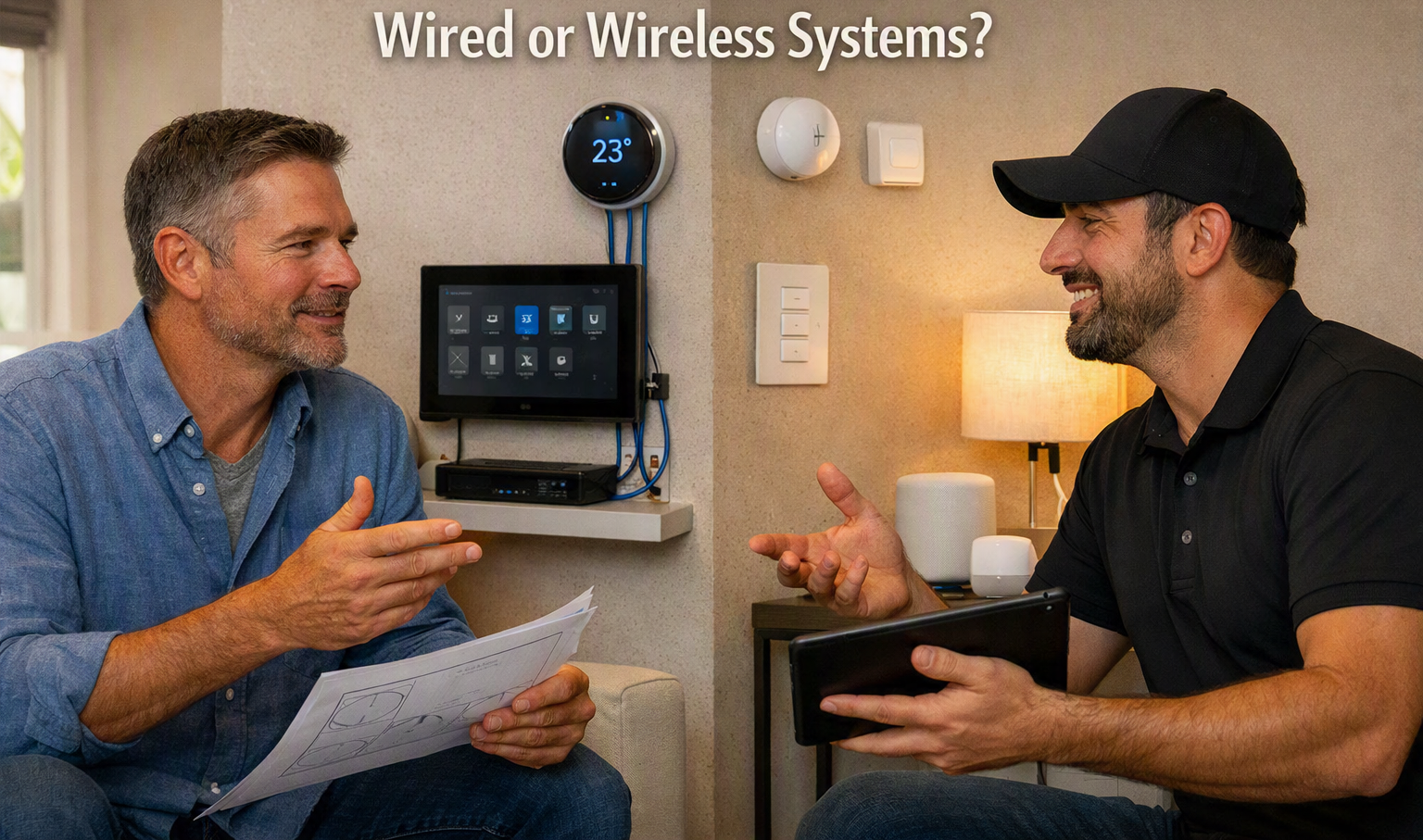
Home Automation Companies: Wired or Wireless Systems? A Simple Guide ziotech.ae

Choosing between wired and wireless technology is an important decision when planning a smart home. Home Automation Companies often work with both options because each system has different benefits. Wired systems are known for stable connections, while wireless systems can be easier to install and change. Understanding the differences can help homeowners choose a system that fits their home, budget, and daily needs.
What Is a Wired Home Automation System?
A wired home automation system uses physical cables to connect smart devices to a central controller or network. Devices such as lighting controls, thermostats, security systems, motorized curtains, and entertainment equipment can communicate through these connections.
Wired systems are commonly considered during the construction or renovation stage of a property. Cables can be placed inside walls before finishing work is completed. This can create a clean installation without many visible wires.
One of the main benefits of wired technology is connection stability. Since devices communicate through physical connections, the system is less dependent on wireless signal strength.
What Is a Wireless Home Automation System?
Wireless automation systems communicate using technologies such as Wi-Fi, Zigbee, Z-Wave, Bluetooth, or other wireless protocols. This means many devices can be installed without running new cables through walls.
Wireless systems can be useful in finished homes where major electrical or construction work is not practical. Smart bulbs, sensors, locks, cameras, switches, and other devices can often be added without making large changes to the property.
Another advantage is flexibility. Homeowners can add, remove, or move certain devices as their needs change.
Wired vs. Wireless: Which Is More Reliable?
Reliability depends on the quality of the equipment, network design, installation, and environment. Wired systems generally provide a consistent connection because they are not affected by common wireless problems such as signal interference or dead zones.
Wireless systems have improved significantly and can work very well when the network is properly planned. However, larger homes may need additional access points or signal planning to provide reliable coverage throughout the property.
For important functions such as security, access control, or essential lighting, some homeowners may prefer wired connections. Wireless technology can still be useful for devices where flexibility is more important.
Installation and Home Design
Installation is another major difference between the two approaches. Wired automation usually requires more planning because cables need to be considered before or during construction.
Wireless systems generally require less physical work. This can make them suitable for apartments, completed villas, rental properties, and homes where changing walls or electrical wiring is difficult.
However, wireless does not always mean completely installation-free. Devices still need power, network configuration, and proper placement. A good wireless setup also requires a strong and well-planned home network.
Cost Considerations
The cost of a home automation system depends on the number of devices, type of equipment, installation requirements, and level of control required.
Wired systems can involve higher installation costs when cables need to be added during construction or renovation. However, the infrastructure can provide a strong foundation for a long-term automation setup.
Wireless systems may have lower initial installation requirements because fewer physical changes are needed. They can also allow homeowners to start with a few devices and expand the system gradually.
Instead of looking only at the initial price, it is useful to consider installation, maintenance, upgrades, and future expansion.
Which System Is Better for a New Home?
A new home gives homeowners more options. Wired automation can be planned alongside electrical work, networking, lighting, and other building systems. This makes it easier to create a structured automation network from the beginning.
Wireless devices can also be included in a new home, particularly for functions that may change over time. Some homeowners may choose a combination of wired and wireless technology instead of relying on only one approach.
Which System Is Better for an Existing Home?
For an existing home, wireless automation can be a practical option because it usually requires fewer structural changes. Homeowners can begin with simple devices such as smart lighting, sensors, thermostats, or security equipment.
A wired system may still be possible, but installation could require additional work depending on the property’s structure and existing wiring.
Can Wired and Wireless Systems Work Together?
Yes, many modern smart homes use a combination of wired and wireless technologies. A hybrid setup can use wired connections for important or fixed devices while wireless technology handles flexible devices.
For example, networking equipment and major control systems may use wired connections, while smart sensors and some lighting devices communicate wirelessly.
The best approach depends on the property, construction stage, required features, network quality, and future plans. Comparing these factors before installation can help homeowners avoid unnecessary changes later.
When comparing Home Automation Companies, it is useful to ask how they approach both wired and wireless systems rather than assuming one technology is always better. A suitable system should match the home’s structure, network conditions, lifestyle, and plans for future upgrades.
voters
Report Story 
Related Stories











Recent Stories