 Better grow
13 hours ago in Food & Beverage, Other Services
High Authority Social Bookmarking Site for UAE SEO in 2026 - A2Bookmarks UAE
Welcome to A2Bookmarks UAE, a premier social bookmarking site designed for discovering and sharing the latest trends in the UAE. Our social bookmarking site for the UAE offers an engaging and seamless experience, created specifically for the UAE community. Explore popular local content on one of the leading UAE social bookmarking sites for 2026, save your favorite websites, and connect with like-minded individuals. With our intuitive interface, you can effortlessly categorize and access your bookmarks, while our vibrant community keeps you updated with relevant content. Whether you are looking for top business resources, trending entertainment, or essential local services, our platform helps you organize and discover the best of the web among the top social bookmarking sites in the UAE. Join the A2Bookmarks UAE community today to streamline your online browsing and stay ahead with curated content through the best social bookmarking sites for the UAE market.
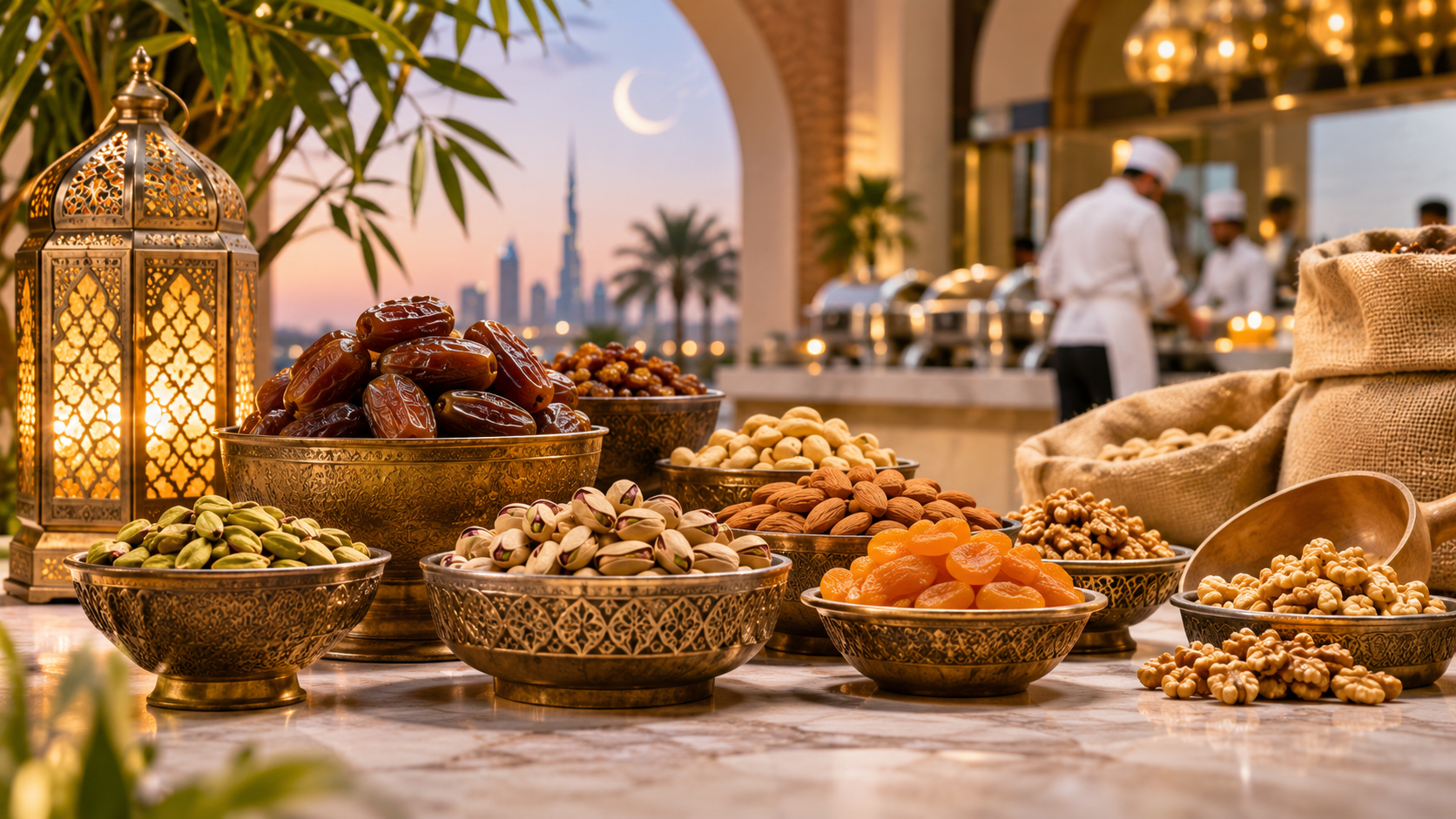
Ramadan 2027 Food Procurement in the UAE: What Hotels, Restaurants and Caterers Should Order Early bettergrow.ae
Better grow
13 hours ago in Food & Beverage, Other Services
Ramadan brings a different rhythm to the UAE’s food industry.
Restaurants prepare special iftar menus. Hotels organise buffets, private gatherings and late-night dining. Catering companies take on corporate iftars, community events and large family celebrations. Behind all these experiences are kitchen teams working to serve hundreds, sometimes thousands, of meals within a short window.
For the people managing food procurement, Ramadan begins long before the first day of fasting.
Menus need to be finalised, ingredient quantities estimated, supplier arrangements confirmed and delivery schedules planned. Leaving these decisions until the last few weeks can make an already demanding season unnecessarily difficult.
With Ramadan 2027 expected to begin around 8 February 2027, subject to the official UAE moon-sighting announcement, November and December 2026 are sensible months to begin preparing.
For hotels, restaurants and caterers across the UAE, early planning is not simply about securing enough stock. It is about buying the right ingredients, in the right quantities, and making sure they arrive when the kitchen needs them.
Why Ramadan Food Procurement Needs a Different Approach
A restaurant’s regular purchasing routine may work perfectly well for most of the year. Ramadan can change that routine almost overnight.
Instead of a steady flow of lunch and dinner customers, many establishments see demand concentrated around iftar and late-evening service. Hotels may operate several Ramadan dining experiences at once, while catering companies handle events that require large quantities of food to be prepared and delivered at specific times.
There is also less room for delay.
When an iftar event is scheduled for sunset, missing ingredients cannot simply arrive a few hours later. Preparation needs to happen before guests arrive, and the kitchen must have everything ready for service.
That makes accurate forecasting particularly important.
A hotel expecting 300 guests for an iftar buffet will have very different requirements from a neighbourhood restaurant serving 50 set meals or a catering company preparing 2,000 meal boxes.
Yet all three depend on the same basic principles: clear specifications, realistic quantities and dependable replenishment.
Businesses reviewing their Ramadan food procurement in the UAE should therefore start with expected covers, confirmed events and planned menus rather than placing orders based only on previous purchasing habits.
1. Dates: The First Ingredient to Plan, Not the Last
Dates remain one of the most familiar foods associated with Ramadan. They are served when breaking the fast, included in hospitality arrangements, used in desserts and presented as gifts.
For UAE food businesses, this creates several different purchasing needs.
A hotel offering a premium guest experience may choose large Medjool or Ajwa dates for welcome trays. A catering company preparing thousands of iftar meals may need practical, consistent varieties suitable for high-volume service.
Restaurants may also require pitted dates for smoothies, desserts, sauces or bakery preparations.
The important point is that not every application calls for the same variety or grade.
Buying premium presentation dates for a recipe where they will be chopped or blended may increase costs without adding meaningful value. Equally, dates selected for bulk cooking may not provide the appearance expected for a VIP hospitality tray.
When speaking with a bulk dates supplier in the UAE, buyers should discuss the intended use, preferred variety, size, grade, packaging and expected quantity.
Premium varieties, special packaging and larger-volume orders deserve early attention, particularly when products need to be prepared for corporate gifting or hotel hospitality programmes.
For more detailed information about varieties, sizing and ordering lead times, read BetterGrow’s Ramadan Dates Buying Guide.
2. Nuts: Small Ingredients That Appear Across the Menu
Nuts may not always be the first category considered during Ramadan purchasing, but they feature in a surprising number of dishes.
Almonds, pistachios, cashews and walnuts are used in everything from rice preparations and traditional sweets to pastries, desserts and buffet garnishes.
A hotel might use whole almonds at breakfast, sliced almonds in pastries and pistachio powder in desserts. A catering kitchen could require cashews for savoury dishes and chopped nuts for sweets.
These different applications should influence the purchasing specification.
Whole nuts are useful when presentation matters. Sliced, slivered or broken formats may be more practical when the ingredient needs to be mixed into a recipe or used as a topping.
Choosing the right form can reduce preparation work during busy service periods.
It can also help purchasing teams manage costs more carefully.
For example, a recipe requiring chopped cashews does not necessarily need premium whole kernels. Similarly, an almond garnish may be easier to prepare with pre-sliced almonds than by processing whole nuts in the kitchen.
Hotels and caterers buying wholesale nuts for Ramadan should review their menus early and identify where whole or processed formats are most appropriate.
BetterGrow’s nuts range and processed nut ingredients support different commercial kitchen applications, including bakery, confectionery and foodservice.
3. Dried Fruits: Beyond the Traditional Iftar Table
Dried fruits are another ingredient category worth including in early Ramadan purchasing plans.
Raisins, dried apricots, figs, prunes and other dried fruits can be used in rice dishes, desserts, baked products, fruit-and-nut combinations and breakfast or suhoor preparations.
They can also provide variety in hotel buffets and catering menus without requiring complicated preparation.
However, dried fruits should not be treated as interchangeable products.
Golden raisins and black raisins, for example, may offer different appearances and flavours. Dried apricots can vary in size, colour and texture, while prunes may be required in pitted or unpitted formats.
For kitchens producing dishes in large quantities, these differences matter.
A pastry kitchen may need a particular raisin size for consistency. A catering company preparing rice dishes could prioritise suitable bulk grades and reliable availability.
When working with a wholesale dried fruits supplier in the UAE, buyers should confirm the product variety, grade, intended application and packaging format.
Those details help ensure the delivered ingredients match what the kitchen has planned.
Businesses can explore BetterGrow’s dried fruits range for foodservice and commercial purchasing requirements.
4. Spices and Herbs: Check the Pantry Before the Rush
Ramadan menus often bring together dishes from several food traditions.
Arabic rice preparations, Indian curries, grilled meats, soups and regional specialities may all appear across the same hotel’s iftar buffet.
That means spices and herbs play an important role in keeping flavours consistent.
Cardamom, cinnamon, cumin, coriander, black pepper, saffron and other ingredients may be used across savoury dishes, desserts and beverages.
Unlike highly visible ingredients such as dates or nuts, spices are sometimes overlooked during initial planning because individual recipes use relatively small quantities.
But a small shortage can still interrupt production.
A catering company preparing hundreds of portions cannot afford to discover halfway through preparation that an essential spice is unavailable.
Kitchens should review their Ramadan menus and identify the ingredients used repeatedly across dishes.
Purchasing teams should also confirm whether products are required whole, ground, crushed or in another specific format.
The BetterGrow spices and herbs range covers commercial ingredients used across restaurant, catering and food manufacturing operations in the UAE.
5. Processed Ingredients: A Practical Way to Reduce Kitchen Preparation Time
One challenge during Ramadan is managing a large volume of food preparation within a limited period.
Ingredients that arrive ready for their intended application can help reduce unnecessary work.
For example, a pastry kitchen using sliced almonds every day may prefer to purchase them in that format rather than slicing whole almonds internally.
A confectionery operation might require pistachio powder, while a central kitchen preparing large batches of rice dishes may find broken cashews more suitable than whole premium kernels.
These decisions are not simply about convenience.
They also affect portion consistency, ingredient yield, preparation time and overall food cost.
For hotels and catering businesses serving large numbers of guests, even small improvements in preparation efficiency can make a difference.
When planning Ramadan ingredients, chefs and purchasing managers should review where processed formats can be used without compromising the quality of the finished dish.
When Should UAE Food Businesses Start Ordering for Ramadan 2027?
There is no single ordering deadline that works for every kitchen.
A small restaurant with a stable menu may be able to manage some requirements through regular replenishment. A large hotel preparing multiple Ramadan buffets or a catering company handling corporate events will usually need a longer planning period.
The following timeline provides a practical starting point.
| Period | Recommended Action |
|---|---|
| November 2026 | Review last Ramadan’s sales, event volumes and ingredient consumption. Start menu planning and identify essential ingredients. |
| December 2026 | Finalise core ingredient specifications, obtain quotations and discuss projected quantities with suppliers. Confirm premium dates and special-format requirements early. |
| Early January 2027 | Place or confirm planned orders for shelf-stable ingredients. Agree on delivery schedules and replenishment arrangements. |
| Late January 2027 | Review confirmed bookings, check stock and storage capacity, and adjust order quantities where needed. |
| During Ramadan | Monitor actual consumption, update forecasts and arrange replenishment according to demand and available stock. |
This is a planning guide rather than a guarantee of product availability. Actual lead times depend on the ingredient, origin, grade, required volume and supplier arrangements.
The earlier a business can communicate its requirements, the more time it has to compare options and resolve potential sourcing issues.
How Hotels, Restaurants and Caterers Should Estimate Ingredient Quantities
One of the most common purchasing challenges during Ramadan is estimating demand accurately.
Ordering too little can disrupt service. Ordering too much creates unnecessary storage pressure and increases the risk of waste.
A useful starting point is to review actual consumption from previous Ramadan operations.
Hotels can examine banquet records, buffet covers and restaurant bookings. Catering companies can review event contracts and average ingredient usage per guest. Restaurants can compare the sales performance of previous iftar menus.
For example, if a catering company expects to serve 500 guests and plans to offer two dates per person, its base requirement would be 1,000 dates.
That calculation should then be converted into the required weight using the selected variety and average count per kilogram, with a reasonable allowance for service variation.
The same approach can be applied to nuts, dried fruits and other recipe ingredients.
For commercial kitchens, the most useful forecast comes from combining expected guest numbers with standardised recipes and actual ingredient yields.
It is also worth separating confirmed demand from uncertain bookings.
A corporate iftar event with a signed contract should be treated differently from an enquiry that has not yet been confirmed.
This helps purchasing teams avoid building large stock commitments around demand that may never materialise.
Why Supplier Coordination Matters During Ramadan
Food supply is not only about what a business purchases. It is also about how and when those ingredients arrive.
A restaurant may have limited storage space and prefer smaller deliveries throughout the month. A hotel may require larger quantities delivered according to banquet and kitchen schedules.
Catering companies often operate differently again, with demand linked to individual events and production dates.
These variations make supplier coordination important.
When evaluating a Ramadan food supplier in the UAE, purchasing teams should be clear about:
- Required products and specifications
- Expected purchase quantities
- Delivery locations
- Preferred delivery frequency
- Packaging and storage requirements
- Product documentation where applicable
- Arrangements for additional orders during Ramadan
A clear purchasing plan also reduces confusion between kitchen teams, procurement departments and suppliers.
If a chef requests pistachios for desserts, the purchasing team should know whether that means whole kernels, powder or slivers. If dates are required for a hospitality display, the specified variety and presentation grade should be included in the order.
Details like these may seem minor during planning, but they can prevent costly misunderstandings during service.
Managing Food Costs Without Sacrificing the Guest Experience
Ramadan is an important period for hospitality, but it also places pressure on food budgets.
Hotels and restaurants want to offer memorable dining experiences, while catering businesses must deliver consistent quality within agreed contract prices.
The solution is not necessarily to buy the cheapest available ingredients.
It is to match the ingredient specification to the dish.
Premium dates may be appropriate for a hotel welcome tray, while a different grade may work well for high-volume buffet service.
Whole pistachios may create a stronger visual impression on certain desserts, while pistachio powder or slivers may be more practical for other applications.
Similarly, choosing the correct raisin, nut or spice format can reduce preparation time and improve consistency.
Purchasing teams should work closely with chefs before finalising orders. A specification change that looks insignificant on a quotation may affect the finished dish, portion size or kitchen workflow.
Thoughtful ingredient selection can help control costs without weakening the dining experience.
Preparing for the Final Ten Days of Ramadan
The final part of Ramadan can bring a different pattern of demand.
Some establishments may see changes in dining reservations as families focus on gatherings, religious activities or preparations for Eid.
Other businesses may handle additional catering requirements, corporate gifting or hospitality orders.
Rather than assuming that every week of Ramadan will look the same, purchasing teams should monitor demand and adjust their replenishment plans.
This is especially relevant for premium dates, nuts, dried fruits and ingredients used in seasonal desserts or gifting arrangements.
For businesses offering custom gift packs or special presentations, packaging requirements may need to be confirmed well before the final week.
A flexible purchasing plan can help respond to changing demand without tying up unnecessary stock.
How BetterGrow Supports Ramadan Food Supply in the UAE
For hotels, restaurants and catering companies, dealing with several ingredient categories can make procurement more complicated.
BetterGrow supports commercial food businesses across the UAE with a range of nuts, dates, dried fruits, spices and herbs, roasted products and processed nut ingredients.
Its approach to HoReCa food supply in the UAE focuses on the practical requirements of professional kitchens, including product specifications, commercial quantities and planned replenishment.
Hotel purchasing teams can explore BetterGrow’s hotel food supply solutions, while event organisers and central kitchens can review its catering food supply services.
By discussing product requirements early, businesses can assess suitable varieties, grades, formats and purchasing quantities before their Ramadan operations begin.
Product availability, pricing and delivery arrangements are confirmed according to individual commercial requirements.
A Better Ramadan Starts With Better Preparation
Ramadan is one of the most meaningful periods of the year in the UAE.
For guests, it is a time of gathering, hospitality and shared meals. For the businesses preparing those meals, it is also a period that requires careful coordination behind the scenes.
A successful iftar service depends on far more than the menu.
It depends on accurate forecasting, well-chosen ingredients, organised purchasing and a supply plan that keeps pace with the kitchen.
Dates, nuts, dried fruits and spices may form only part of a larger food order, but each plays a role in delivering the dishes guests expect.
With Ramadan 2027 approaching, hotels, restaurants and caterers have an opportunity to review their requirements early and avoid unnecessary last-minute decisions.
Planning your Ramadan 2027 food requirements?
BetterGrow works with hotels, restaurants, caterers and commercial kitchens across the UAE, supplying nuts, dates, dried fruits, spices and processed ingredients for different foodservice applications.
Explore BetterGrow’s HoReCa food supply solutions or visit bettergrow.ae to discuss your ingredient requirements, quantities and delivery plans.
voters
Report Story 
Related Stories












Recent Stories