 The AC Guys
2 months ago in Home Services
The AC Guys
2 months ago in Home Services
High Authority Social Bookmarking Site for UAE SEO in 2026 - A2Bookmarks UAE
Welcome to A2Bookmarks UAE, a premier social bookmarking site designed for discovering and sharing the latest trends in the UAE. Our social bookmarking site for the UAE offers an engaging and seamless experience, created specifically for the UAE community. Explore popular local content on one of the leading UAE social bookmarking sites for 2026, save your favorite websites, and connect with like-minded individuals. With our intuitive interface, you can effortlessly categorize and access your bookmarks, while our vibrant community keeps you updated with relevant content. Whether you are looking for top business resources, trending entertainment, or essential local services, our platform helps you organize and discover the best of the web among the top social bookmarking sites in the UAE. Join the A2Bookmarks UAE community today to streamline your online browsing and stay ahead with curated content through the best social bookmarking sites for the UAE market.
What Happens During a Professional HVAC Inspection? myacguys.com
The AC Guys
2 months ago in Home Services
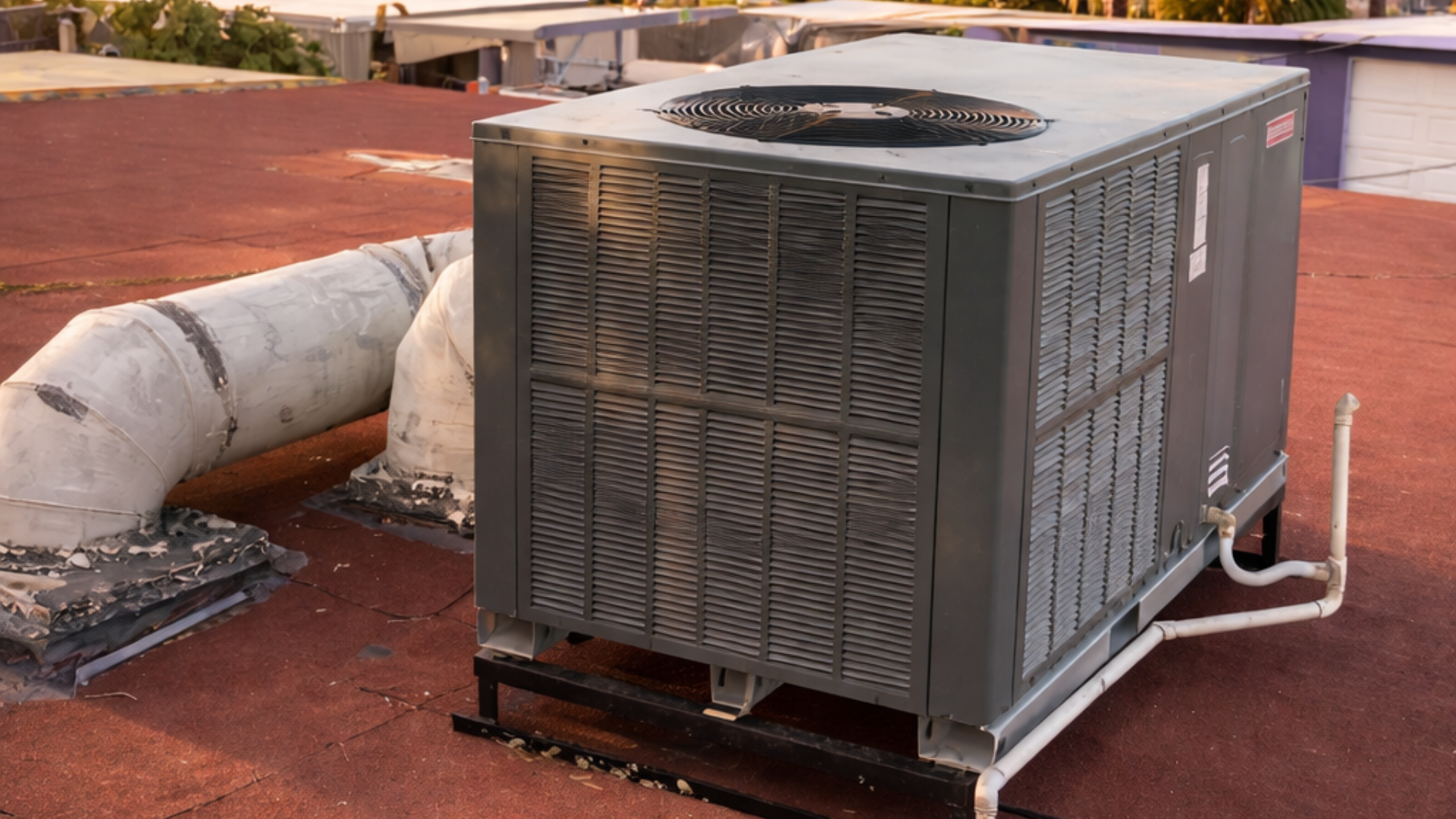
A professional HVAC inspection is not just a quick glance at your system. It is a detailed process designed to evaluate performance, safety, efficiency, and long term reliability. Whether you are a homeowner trying to avoid unexpected breakdowns or a business maintaining compliance, understanding what actually happens during an inspection helps you make smarter decisions.
Why HVAC Inspections Matter
Most HVAC systems fail prematurely due to lack of maintenance, not age. Small issues like clogged filters or loose electrical connections can quietly reduce efficiency and increase energy costs. Over time, those minor problems turn into expensive repairs or full system replacements.
A professional inspection identifies these issues early and ensures your system operates within manufacturer specifications. If you are considering a service provider, choosing a trusted option like HVAC Inspection in Las Vegas can help ensure the job is done thoroughly and correctly.
Initial System Assessment
The inspection starts with a general overview of the system. The technician gathers basic information such as:
- System type and age
- Maintenance history
- Reported performance issues
- Thermostat settings and usage patterns
This step sets the context. A 2 year old system with airflow issues requires a different approach than a 12 year old unit struggling with efficiency.
Thermostat and Controls Check
The thermostat is the command center of your HVAC system. Even a well maintained unit will underperform if the controls are not functioning properly.
During this step, the technician:
- Verifies thermostat calibration
- Checks communication between thermostat and system
- Tests heating and cooling response
- Reviews programmable settings
Improper calibration alone can lead to noticeable temperature inconsistencies and energy waste.
Air Filter and Airflow Evaluation
Airflow is one of the most critical aspects of HVAC performance. Restricted airflow can strain the system and reduce indoor comfort.
The technician will:
- Inspect and replace or recommend replacing air filters
- Measure airflow across the system
- Check for blockages in return and supply vents
- Evaluate duct performance
If airflow is weak, the issue could be as simple as a clogged filter or as complex as duct leakage.
Electrical Component Inspection
HVAC systems rely heavily on electrical components. Faulty wiring or worn parts can create safety risks and system failures.
Key checks include:
- Tightening electrical connections
- Inspecting capacitors and relays
- Measuring voltage and current draw
- Checking for signs of overheating or corrosion
This step is critical because many HVAC failures originate from electrical faults that go unnoticed.
Refrigerant Level and Leak Detection
For cooling systems, refrigerant plays a central role. Incorrect levels reduce efficiency and can damage the compressor.
During inspection, the technician:
- Measures refrigerant pressure
- Checks for leaks in coils and lines
- Ensures proper charge according to manufacturer specs
Low refrigerant is not just a performance issue. It is often a sign of a leak that needs immediate attention.
Coil Cleaning and Condition Check
Both evaporator and condenser coils must be clean to allow proper heat transfer. Dirty coils force the system to work harder.
The inspection includes:
- Checking for dirt, dust, or debris buildup
- Evaluating coil condition and corrosion
- Recommending cleaning if needed
Clean coils improve efficiency, reduce energy bills, and extend system life.
Blower Motor and Fan Inspection
The blower motor and fans are responsible for moving air throughout your home or building. Any inefficiency here directly affects comfort.
Technicians will:
- Inspect motor performance
- Lubricate moving parts if applicable
- Check fan blades for damage or imbalance
- Measure airflow output
A failing blower motor can lead to uneven cooling or heating across rooms.
Drain Line and Condensate System Check
Moisture removal is a key part of HVAC operation, especially in cooling mode. A blocked drain line can lead to water damage and mold growth.
The technician:
- Inspects condensate drain lines
- Clears any blockages
- Checks for proper drainage
- Looks for signs of leaks or standing water
This step is often overlooked but can prevent serious indoor air quality issues.
Ductwork Inspection
Ductwork is where many hidden problems exist. Leaks, poor insulation, or design flaws can significantly impact system performance.
During inspection:
- Ducts are checked for leaks or disconnections
- Insulation condition is evaluated
- Air distribution is assessed
- Recommendations are made for sealing or repairs
Leaky ducts can waste a large portion of conditioned air, increasing energy costs without improving comfort.
Safety Checks
Safety is a non negotiable part of any HVAC inspection. This is especially important for systems that use gas or combustion.
Safety checks include:
- Inspecting heat exchangers for cracks
- Checking for gas leaks
- Testing carbon monoxide levels
- Verifying proper ventilation
These checks protect occupants from serious health risks and ensure compliance with safety standards.
System Performance Testing
Once individual components are checked, the technician runs the system to evaluate overall performance.
This includes:
- Measuring temperature differences
- Monitoring system cycles
- Evaluating noise levels
- Checking startup and shutdown behavior
Performance testing confirms whether the system operates efficiently under real conditions.
Final Report and Recommendations
After completing the inspection, the technician provides a detailed report. This is where real value comes in.
The report typically includes:
- Identified issues and their severity
- Recommended repairs or replacements
- Maintenance suggestions
- Efficiency improvement tips
A good technician will also explain which issues need immediate attention and which can be planned for later.
What Most Homeowners Get Wrong
Here is the blunt truth. Many people treat HVAC inspections as optional until something breaks. That approach costs more in the long run.
Skipping inspections leads to:
- Higher energy bills
- Reduced system lifespan
- Unexpected breakdowns
- Poor indoor air quality
If you think you are saving money by avoiding inspections, you are not. You are just delaying a bigger expense.
How Often Should You Schedule an Inspection?
For most systems:
- Cooling systems should be inspected before summer
- Heating systems should be inspected before winter
At minimum, schedule one full inspection per year. If your system is older or heavily used, twice a year is a smarter approach.
Final Thoughts
A professional HVAC inspection is not a sales visit. It is a technical evaluation that protects your investment and ensures consistent performance. Every component in your system plays a role, and ignoring even one can affect the entire setup.
If you want reliability, lower costs, and better indoor comfort, regular inspections are not optional. They are part of responsible system ownership.
voters
Report Story Related Stories







Recent Stories