High Authority Social Bookmarking Site for UAE SEO in 2026 - A2Bookmarks UAE
Welcome to A2Bookmarks UAE, a premier social bookmarking site designed for discovering and sharing the latest trends in the UAE. Our social bookmarking site for the UAE offers an engaging and seamless experience, created specifically for the UAE community. Explore popular local content on one of the leading UAE social bookmarking sites for 2026, save your favorite websites, and connect with like-minded individuals. With our intuitive interface, you can effortlessly categorize and access your bookmarks, while our vibrant community keeps you updated with relevant content. Whether you are looking for top business resources, trending entertainment, or essential local services, our platform helps you organize and discover the best of the web among the top social bookmarking sites in the UAE. Join the A2Bookmarks UAE community today to streamline your online browsing and stay ahead with curated content through the best social bookmarking sites for the UAE market.

What Safety Steps Are Used During Pipe Freezing Services? tamamsafety.com

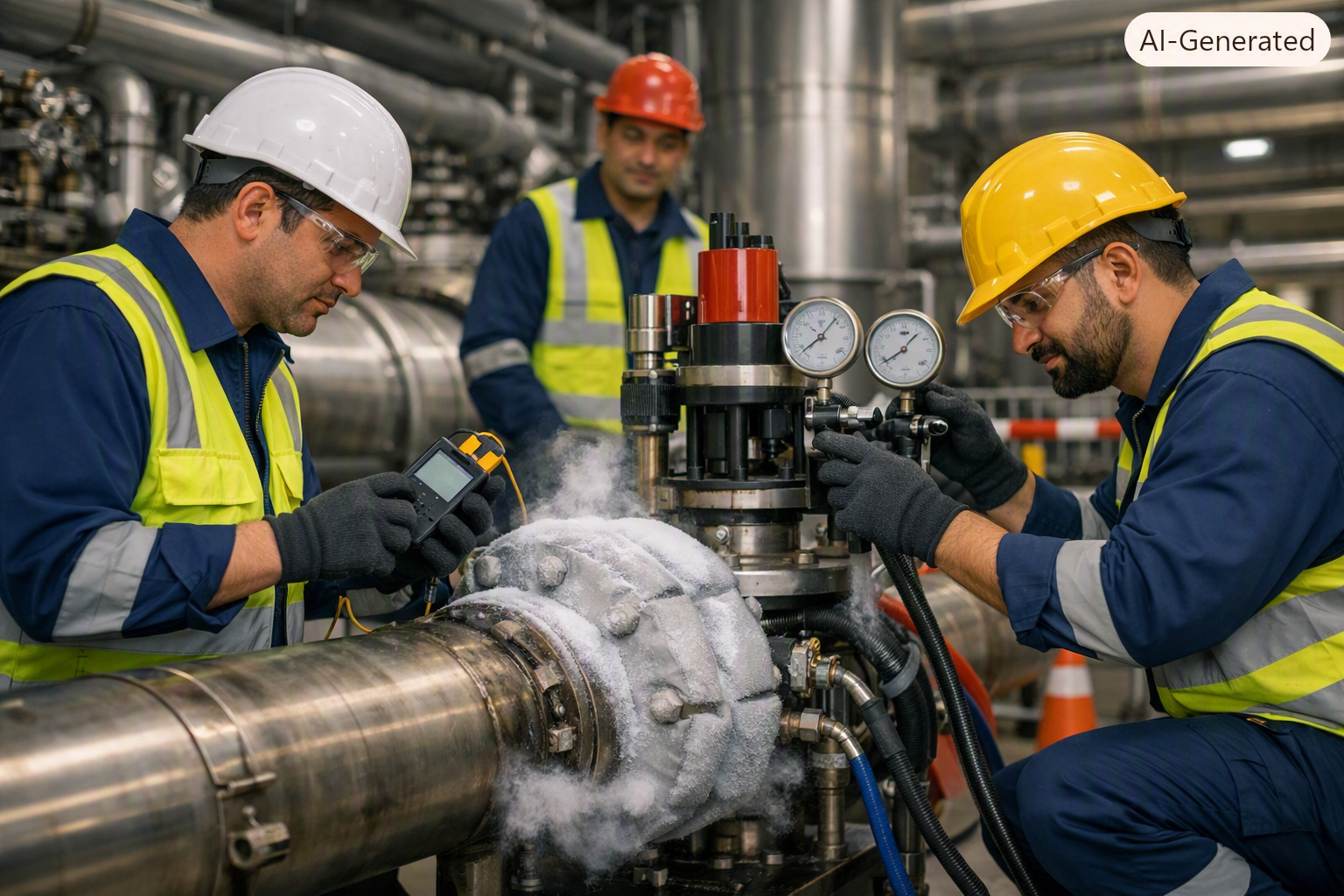
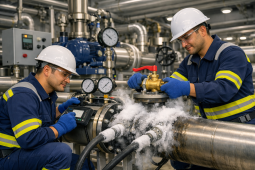
When working with Pipe freezing Companies in Dubai, safety is an important part of every pipe freezing job. Pipe freezing is used to create a temporary ice plug inside a pipe so that work can be carried out without fully draining the system. While the method can reduce disruption, it involves pressure, very low temperatures, and working around active pipe systems. For this reason, workers need to follow clear safety procedures before, during, and after the freezing process.
1. Inspecting the Pipe Before Work Begins
The first safety step is to inspect the pipe and understand the system. Workers need to identify the pipe material, size, wall thickness, operating pressure, and type of fluid inside it. They also check the pipe for damage, corrosion, leaks, or weak areas.
This inspection helps determine whether pipe freezing is suitable for the job. A damaged or badly corroded pipe may not be able to handle the pressure changes that can happen during the work. Workers also need to understand the pipe layout so they can select safe locations for the freezing jackets.
A proper site assessment also helps identify nearby equipment, electrical systems, hot surfaces, and other possible hazards. Taking these steps before starting can reduce unexpected problems during the operation.
2. Checking Pressure and System Conditions
Pressure control is another important safety measure. Before freezing begins, the team checks the pressure inside the pipe and confirms that it is within a safe range for the planned work.
The pressure must be monitored during the process because changes in temperature can affect the condition of the fluid and the ice plug. Workers should never assume that the pipe is safe simply because an ice plug has formed.
The condition of the system should be monitored throughout the job. If pressure rises unexpectedly or other unusual conditions appear, the work may need to be stopped and reviewed before continuing.
3. Using the Correct Freezing Equipment
Proper equipment is essential for safe pipe freezing. The freezing unit, hoses, jackets, temperature monitoring devices, and other tools should be suitable for the pipe size and the job requirements.
Before use, equipment should be checked for damage and proper operation. Hoses and connections need to be secure, while freezing jackets should fit correctly around the pipe. Poorly fitted equipment can result in uneven cooling or an unstable ice plug.
Workers should also follow the operating instructions for the equipment. Using the correct method helps maintain steady cooling and reduces the chance of equipment failure during the work.
4. Wearing Suitable Personal Protective Equipment
Pipe freezing work involves extremely cold surfaces and may also involve pressurised systems. Workers should wear suitable personal protective equipment, often including insulated gloves, safety glasses, protective footwear, and appropriate work clothing.
Gloves are especially important because direct contact with very cold equipment or surfaces can cause cold injuries. Eye protection can also help protect workers from unexpected leaks, splashes, or other hazards.
Personal protective equipment should be checked before work begins. Damaged or unsuitable equipment should be replaced before entering the work area.
5. Securing the Work Area
The area around the pipe should be kept organised and controlled. Unnecessary people should stay away from the work zone, especially when the system is under pressure or when freezing equipment is operating.
Warning signs or barriers may be used where needed to help prevent accidental entry. Floors should also be kept clear of tools, hoses, and other items that could create a trip hazard.
Good housekeeping is a simple but important safety step. A clean work area allows technicians to move safely and respond quickly if an unexpected situation occurs.
6. Monitoring the Ice Plug Carefully
The ice plug is one of the most important parts of the pipe freezing process. Workers need to monitor the freezing operation and confirm that the plug has reached the required condition before starting any repair or maintenance work.
Temperature readings can help technicians understand whether the freezing process is progressing correctly. However, temperature alone may not always confirm that the ice plug is strong enough for the planned task.
The team should use suitable checks and follow established procedures before working on the isolated section. The frozen section should also be monitored during the repair because changes in conditions can affect the ice plug.
7. Avoiding Sudden Pressure Changes
Sudden pressure changes can create safety risks during pipe freezing. For this reason, valves should be operated carefully and system conditions should be controlled throughout the work.
Workers should understand which valves are being closed or opened and how these actions may affect the frozen section. Unplanned changes in pressure can place stress on the pipe or ice plug.
Clear communication between team members is important at this stage. Everyone involved should know when valves can be operated and when the system needs to remain undisturbed.
8. Checking the Pipe Before Removing the Freeze
The freezing equipment should not be removed immediately after the repair is completed. The team should first confirm that the work is finished and that the repaired section is ready to return to normal service.
The pipe should be checked for leaks, and the system should be brought back into operation in a controlled way. Pressure should be restored gradually while workers continue to observe the repaired area.
Once normal conditions are confirmed, the freezing equipment can be removed according to the proper procedure. This controlled approach helps reduce the risk of sudden problems after the repair.
9. Having an Emergency Plan
Every pipe freezing job should have a clear response plan for unexpected events. The team should know what to do if the ice plug does not hold, equipment stops working, pressure changes unexpectedly, or a leak develops.
Emergency access should remain clear, and workers should know how to stop the operation safely. Communication between technicians is also important, especially when several people are working around the same pipe system.
Planning for possible problems does not mean that an incident will happen. It simply helps the team respond quickly and safely if conditions change.
10. Following Safe Work Procedures
Safe pipe freezing depends on careful planning, suitable equipment, trained workers, and continuous monitoring. Each job can have different conditions, so safety procedures should be based on the pipe system, work location, pressure, temperature, and type of repair.
Workers should not rely only on the formation of an ice plug as proof that the system is fully safe. The pipe and surrounding conditions need to be checked throughout the operation.
By following these basic safety practices, Pipe freezing Companies in Dubai can carry out pipe isolation work in a controlled manner while reducing risks to workers, equipment, and the surrounding facility.
voters
Report Story 
Related Stories










Recent Stories