 The Backlinker
52 minutes ago in Business Services
High Authority Social Bookmarking Site for UAE SEO in 2026 - A2Bookmarks UAE
Welcome to A2Bookmarks UAE, a premier social bookmarking site designed for discovering and sharing the latest trends in the UAE. Our social bookmarking site for the UAE offers an engaging and seamless experience, created specifically for the UAE community. Explore popular local content on one of the leading UAE social bookmarking sites for 2026, save your favorite websites, and connect with like-minded individuals. With our intuitive interface, you can effortlessly categorize and access your bookmarks, while our vibrant community keeps you updated with relevant content. Whether you are looking for top business resources, trending entertainment, or essential local services, our platform helps you organize and discover the best of the web among the top social bookmarking sites in the UAE. Join the A2Bookmarks UAE community today to streamline your online browsing and stay ahead with curated content through the best social bookmarking sites for the UAE market.
WordPress Shared Hosting: Features, Benefits & Setup Guide ssdwebhosting.net
The Backlinker
52 minutes ago in Business Services
WordPress Shared Hosting: An Affordable Solution for Building Your Website
Creating a WordPress website doesn’t require expensive server infrastructure or advanced technical expertise. Whether you’re starting a blog, launching a business website, or building an online portfolio, choosing the right hosting environment can simplify website management and help control expenses.
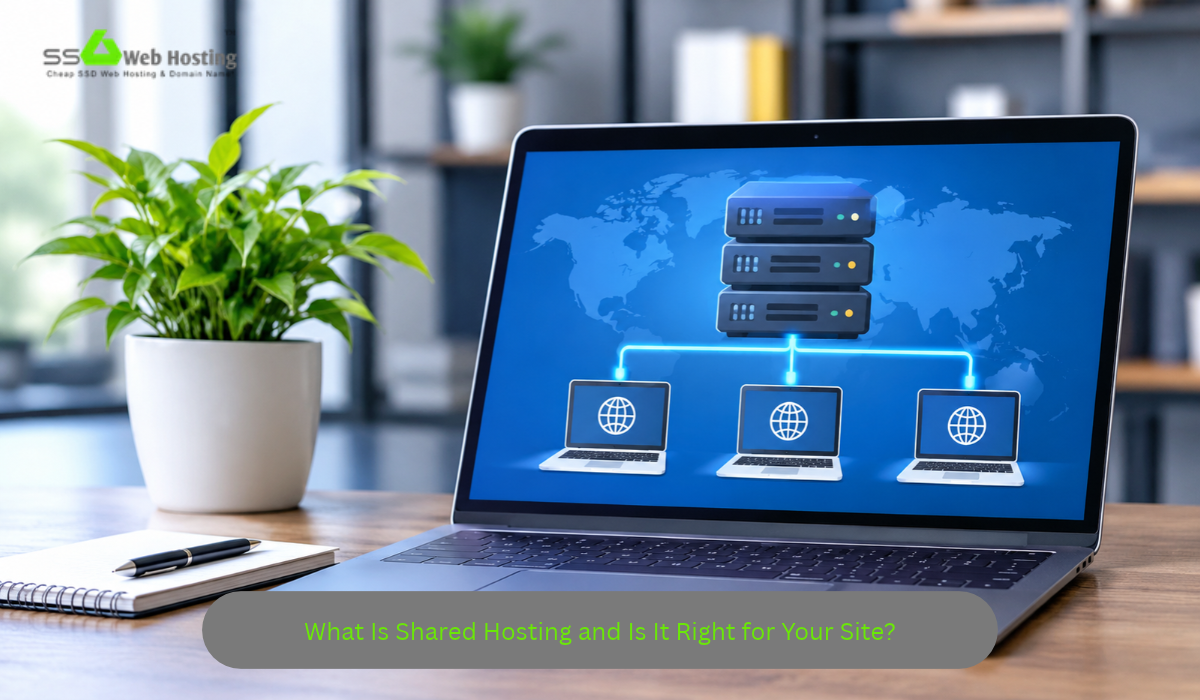
WordPress shared hosting provides an accessible way to run WordPress websites by allowing multiple hosting accounts to share physical server resources. This approach generally reduces hosting costs while offering the tools needed to install, manage, and maintain WordPress.
However, not every shared hosting package delivers the same performance, security, or management features. Understanding what matters can help you select a hosting plan that supports your website’s requirements.
What Is WordPress Shared Hosting?
WordPress shared hosting is a hosting service that supports WordPress websites within a shared server environment. Multiple websites use the same underlying server infrastructure, while individual hosting accounts operate within provider-defined limits.
The hosting company usually manages server hardware, operating system maintenance, and core infrastructure. Website owners remain responsible for their WordPress content, themes, plugins, and many application-level security tasks.
Shared hosting is commonly suitable for personal blogs, small business websites, portfolios, and new WordPress projects that don’t require extensive server resources.
How Does WordPress Shared Hosting Work?
When someone visits a WordPress website, the hosting server processes the request and delivers the necessary content. WordPress uses PHP and a database to manage website information, generate dynamic pages, and support installed functionality.
In a shared hosting environment, the hosting provider allocates resources such as CPU, memory, storage, and database capacity among customer accounts.
Many providers offer control panels and application installers that simplify WordPress setup. Website owners can then manage content through the WordPress dashboard while using their hosting control panel for server-related account tasks.
What Are the Benefits of WordPress Shared Hosting?
Affordable Website Hosting
Shared hosting distributes infrastructure expenses among multiple customers, making it generally less expensive than dedicated server solutions. This is useful for bloggers, freelancers, startups, and small businesses with limited budgets.
Easy WordPress Installation
Many shared hosting providers include WordPress installation tools. These can simplify the process of creating databases, configuring application files, and launching a website.
Beginner-Friendly Management
Hosting control panels such as cPanel allow users to manage domains, website files, databases, and email accounts through a graphical interface. This reduces the need for advanced technical knowledge.
Flexible Website Customisation
WordPress supports themes and plugins that allow website owners to add layouts, forms, galleries, and other functionality. However, installed software should remain compatible, secure, and properly maintained.
Convenient Maintenance Options
Depending on the hosting provider, shared hosting packages may include automated backups, application updates, and security features. These tools can make routine maintenance easier, although their availability varies by plan.
What Features Should You Look for in WordPress Shared Hosting?
Choosing a suitable hosting package involves reviewing the technical environment and included services.
WordPress Compatibility
Confirm that the hosting environment meets the current WordPress requirements, including compatible PHP, database software, and HTTPS support. Outdated server software can create compatibility and security concerns.
SSD or NVMe Storage
Modern hosting providers often use SSD or NVMe storage to support efficient file and database access. Faster storage can benefit certain WordPress operations, although actual page loading performance also depends on caching, plugins, and server resources.
Website Security
Look for SSL certificates, appropriate account isolation, secure server configurations, and backup options. Website owners should also maintain strong passwords, update plugins, and remove unused software.
Caching and Performance Tools
Caching can reduce the need to regenerate WordPress pages repeatedly. Some providers offer server-level caching, while others support compatible caching plugins.
Proper caching can improve performance, particularly for content that doesn’t change frequently.
Reliable Technical Support
Technical assistance is valuable when users encounter installation problems, configuration errors, or server-related issues. Review the provider’s support availability and the scope of assistance included.
WordPress Shared Hosting vs Managed WordPress Hosting
Both options can support WordPress websites, but their management responsibilities and included services may differ.
| Feature | WordPress Shared Hosting | Managed WordPress Hosting |
|---|---|---|
| Cost | Generally lower | Often higher |
| Server management | Provider-managed infrastructure | Provider-managed infrastructure |
| WordPress updates | Often user-managed | May be automated |
| Performance optimisation | Depends on plan | Often WordPress-focused |
| Technical support | General hosting assistance | May include specialised WordPress support |
| Best suited for | Beginners and smaller websites | Users seeking additional management services |
Managed WordPress hosting isn’t automatically faster or more secure. The actual benefits depend on the provider’s infrastructure, configuration, and included management services.
How Do You Set Up WordPress on Shared Hosting?
Setting up WordPress typically involves a few straightforward steps.
Step 1: Choose a Hosting Plan
Select a shared hosting package that supports the latest compatible WordPress requirements. Review storage capacity, resource limitations, security features, and renewal pricing.
Step 2: Connect Your Domain
Register a domain and configure its DNS settings to point to your hosting environment. Your provider should supply the necessary information.
Step 3: Install WordPress
Use the hosting provider’s application installer where available, or follow WordPress’s manual installation process. Create secure administrator credentials during setup.
Step 4: Select a Theme
Choose a responsive WordPress theme suitable for your website’s purpose. Prioritise accessibility, compatibility, and ease of navigation.
Step 5: Configure Essential Settings
Review your website’s permalink structure, HTTPS configuration, user accounts, and basic security settings. Install only the plugins required for your website.
Step 6: Test Your Website
Check page loading, mobile responsiveness, contact forms, navigation, and important functionality before publishing.
How Can You Improve WordPress Performance on Shared Hosting?
WordPress performance depends on hosting resources and how efficiently the website is configured.
Optimise Images
Compress images and use appropriate file dimensions to reduce page weight. Modern image formats can also improve delivery efficiency when supported.
Use Compatible Caching
Enable a caching solution appropriate for your hosting environment. Full-page caching can reduce repeated database and PHP processing for eligible pages.
Limit Unnecessary Plugins
Plugins can introduce additional scripts, database queries, and maintenance requirements. Remove unused plugins and choose actively maintained alternatives.
Keep WordPress Updated
Apply compatible updates to WordPress core, themes, and plugins. Updates can address vulnerabilities, software defects, and compatibility issues.
Monitor Hosting Resources
Review CPU usage, memory consumption, storage, and other account limits where monitoring tools are available. This can help identify when optimisation or an upgrade may be necessary.
When Should You Upgrade From Shared WordPress Hosting?
Shared hosting can support many WordPress websites, but requirements may change over time.
An upgrade may be worth considering when your website repeatedly exceeds resource limits, experiences persistent server-related slowdowns, or requires configurations unavailable on your current plan.
Before upgrading, investigate inefficient plugins, slow database queries, oversized images, and caching problems.
If your website continues to exceed available resources after reasonable optimisation, a higher-tier hosting package or another hosting environment may be appropriate.
What Mistakes Should WordPress Website Owners Avoid?
One common mistake is purchasing hosting based entirely on promotional pricing. Renewal costs, resource limits, and included services also matter.
Another is installing numerous plugins without reviewing their quality or necessity. Poorly maintained plugins can create security and performance risks.
Website owners should also avoid neglecting backups, using weak passwords, and ignoring software updates.
Finally, don’t assume that a plan advertised as WordPress-optimised automatically guarantees excellent performance. Review the actual technical specifications and test your website where possible.
Final Thoughts
WordPress shared hosting offers a practical starting point for bloggers, small businesses, freelancers, and website owners who want to create an online presence without managing dedicated infrastructure.
The right package should provide compatible software, sufficient server resources, security features, accessible management tools, and dependable technical support.
By combining suitable hosting with regular WordPress maintenance, caching, and website optimisation, you can build a reliable foundation for your website while keeping hosting expenses manageable.
voters
Report Story 
Related Stories












Recent Stories