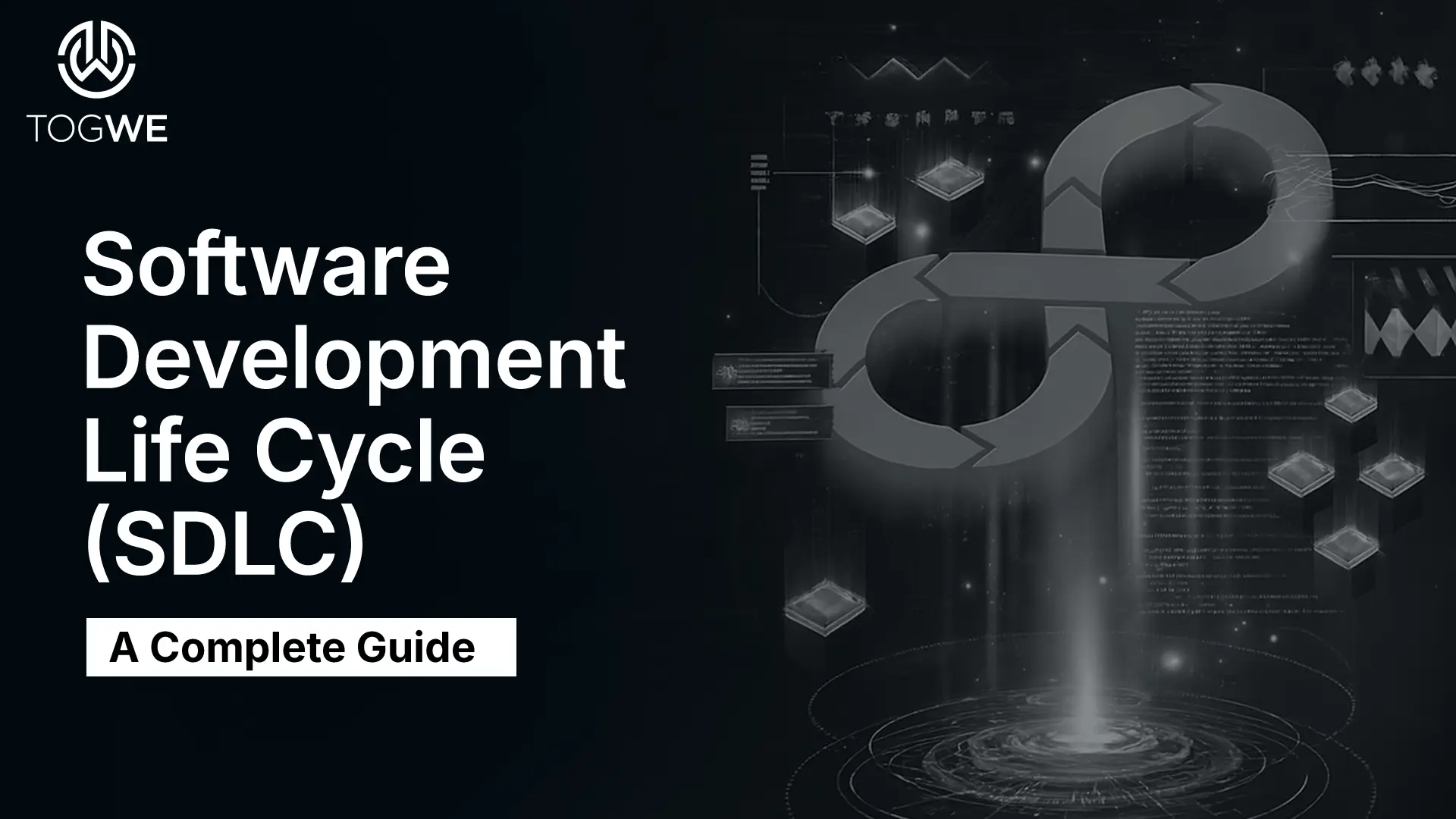
Today, almost everything in our life connects to software. We use apps to talk with friends, order food, study online, play games, and even track our health. But many people do not know how software actually gets made. Software is not magic. It follows clear steps from idea to launch. These steps help teams stay organized. They help them fix problems early. They help them finish projects on time. Many people call this long step-by-step process the Software Development Life Cycle.
You can think about it like building a house. First, you need a plan. Then you design. Then you start building. Then you test the doors, windows, and water pipes. If something breaks, you fix it before anyone moves in. The same thing happens in software. A good plan leads to a good result. In this blog, we will break down the full process in simple words so anyone can understand it.
🟢 What Is the Software Life Cycle?
The main idea behind a software life cycle is simple: follow steps. When teams follow steps, they stop confusion. They know who does what. They know what comes next. They know when to fix something. They know when to test.
A cycle means something repeats. When people build software, they often return to older steps. For example, you may build something and then test it. After the test, you may find a mistake. Then you return to building again. That is normal.
The life cycle helps save time, save money, reduce mistakes, improve teamwork, and make customers happy. It does not matter if the software is small or huge. A simple cycle helps both.
Now, let us walk through each stage and explain it in a very easy way.
🟢 Stage 1: Planning
Planning is the first and most important step. In this stage, teams talk about the main idea. They ask many questions like: What problem do we want to solve? Why does this software matter? Who will use it? How long will it take to build? How much will it cost?
This stage is like planning a road trip. If you do not know where you go, you may get lost. A good plan creates a clear direction.
Good planning saves many hours later. Teams write down everything so they do not forget. Once the plan feels ready, they move to the next stage.
🟢 Stage 2: Requirements
A requirement means “what the software must do.”
Teams collect information from people who will use the software. They listen to needs. They write down functions. For example: Should the app show login pages? Should users pay with a card? Should users upload photos? Should reports appear in real time?
These answers help build a clear list. That list becomes a rule book. If something is not in the rule book, the team does not build it.
Some people call this scope. It keeps the project safe from chaos. When everyone agrees on requirements, the project moves smoothly.
🟢 Stage 3: Design
Design means “how things look and how things work.”
In this stage, teams sketch screens, system parts, database tables, and the way everything connects.
Imagine drawing a map before building a city. You decide where roads go. You decide where schools sit. In software, design helps decide how features connect.
Good design answers simple questions: What will the software look like? Where will buttons go? What happens when users tap something? How fast does the system respond?
The better the design, the easier the next stage becomes.
🟢 Stage 4: Development
Now teams start building. This is where coding happens. A developer writes instructions in a programming language so a computer can follow rules.
It takes time to write good code. Teams break the project into smaller parts. One group may build the login page. Another team may build the payment system. Another team may build the dashboard.
Developers test each small part before joining everything together. Think about building a car. You first make the seat, steering wheel, mirrors, and doors. Later, you combine them.
Development can take weeks, months, or even years depending on the size. Communication stays strong during this stage. If someone finds an error, they fix it before moving ahead.
The project starts to feel real now.
🟢 Stage 5: Testing
Testing means “try everything to find mistakes before users find them.”
No software is perfect on the first try. A test team presses every button. They enter wrong passwords. They try fake cards. They break rules. Why? Because real users may do the same. If the team finds problems early, they fix them.
Types of testing include function testing, speed testing, security testing, and device testing. Some tests are automatic. Some tests need humans.
Testing protects the company. Imagine users opening an app and watching it crash. They may leave and never return. Good testing keeps that from happening.
Once the team finds the major mistakes and fixes them, they get ready for release.
🟢 Stage 6: Deployment
Deployment means “launch the software for real users.”
Some companies launch in small groups first. This helps them see early feedback. If everything looks stable, they release it to everyone.
This stage needs caution. If something huge breaks during launch, the team may roll back to an older safe version.
Deployment is an exciting moment. It shows months of work turning into a real product.
🟢 Stage 7: Maintenance
Maintenance never ends. Even after launch, the team stays ready. They answer user complaints. They fix bugs. They send updates. They add new features.
Think about a car. You still change oil, fix tires, and replace battery. In software, you fix code, handle errors, and respond to new needs.
Sometimes the world changes. New phones come out. New laws appear. New users demand new features. Maintenance keeps software alive.
A product dies when no one maintains it.
🟢 Why the Life Cycle Matters
Without a cycle, projects fall apart.
Teams may argue. Code may break. Money may waste. Time may vanish. The cycle brings structure. It protects quality. It gives users a good experience.
Even young coders can use a cycle. It teaches discipline. It builds confidence.
Good software does not happen by luck. It comes from a smart plan and steady steps.
🟢 FAQs
Q1. Is the cycle only for big companies?
No. Small groups, students, and solo developers also use it.
Q2. Can steps happen at the same time?
Yes. Some teams design and write code together, but they still follow order.
Q3. What if someone skips testing?
Then users become testers, and that leads to angry reviews.
Q4. Can a cycle end?
Not really. Maintenance keeps it going.
Q5. What skills help in development?
Clear thinking, teamwork, patience, and steady practice.
Q6. Why do teams talk so much?
To avoid confusion and mistakes.
Q7. Does every software need updates?
Almost always. Technology changes fast.
Q8. Can beginners learn this?
Yes. The steps are simple. Anyone can learn.
🟢 Conclusion
Software touches all parts of modern life. The life cycle makes sure software stays useful, safe, and easy to enjoy. Each stage plays a role. Planning creates direction. Requirements set rules. Design shapes ideas. Development builds results. Testing removes fear. Deployment opens the door. Maintenance keeps everything healthy.
If you follow steady steps, you can build anything. You can make a game, a study app, or even a business tool. And if you ever want expert help from a trusted Web Development Company, you now understand the process they follow when they build digital products. You now know how software grows from a dream into something real.


 Satyaki Das
5 months ago in Technology & IT Services
Satyaki Das
5 months ago in Technology & IT Services