 Kubricks john
6 months ago in Technology & IT Services
Kubricks john
6 months ago in Technology & IT Services
High Authority Social Bookmarking Site for UAE SEO in 2026 - A2Bookmarks UAE
Welcome to A2Bookmarks UAE, a premier social bookmarking site designed for discovering and sharing the latest trends in the UAE. Our social bookmarking site for the UAE offers an engaging and seamless experience, created specifically for the UAE community. Explore popular local content on one of the leading UAE social bookmarking sites for 2026, save your favorite websites, and connect with like-minded individuals. With our intuitive interface, you can effortlessly categorize and access your bookmarks, while our vibrant community keeps you updated with relevant content. Whether you are looking for top business resources, trending entertainment, or essential local services, our platform helps you organize and discover the best of the web among the top social bookmarking sites in the UAE. Join the A2Bookmarks UAE community today to streamline your online browsing and stay ahead with curated content through the best social bookmarking sites for the UAE market.
Helipad Construction Materials: Durability vs. Performance bayanatengineering.qa
Kubricks john
6 months ago in Technology & IT Services
Helicopters provide critical access to hospitals, corporate buildings, and remote offshore rigs. Behind every safe landing is a carefully engineered landing zone designed to withstand immense physical forces. The foundation of this safety relies entirely on the quality and selection of construction materials.
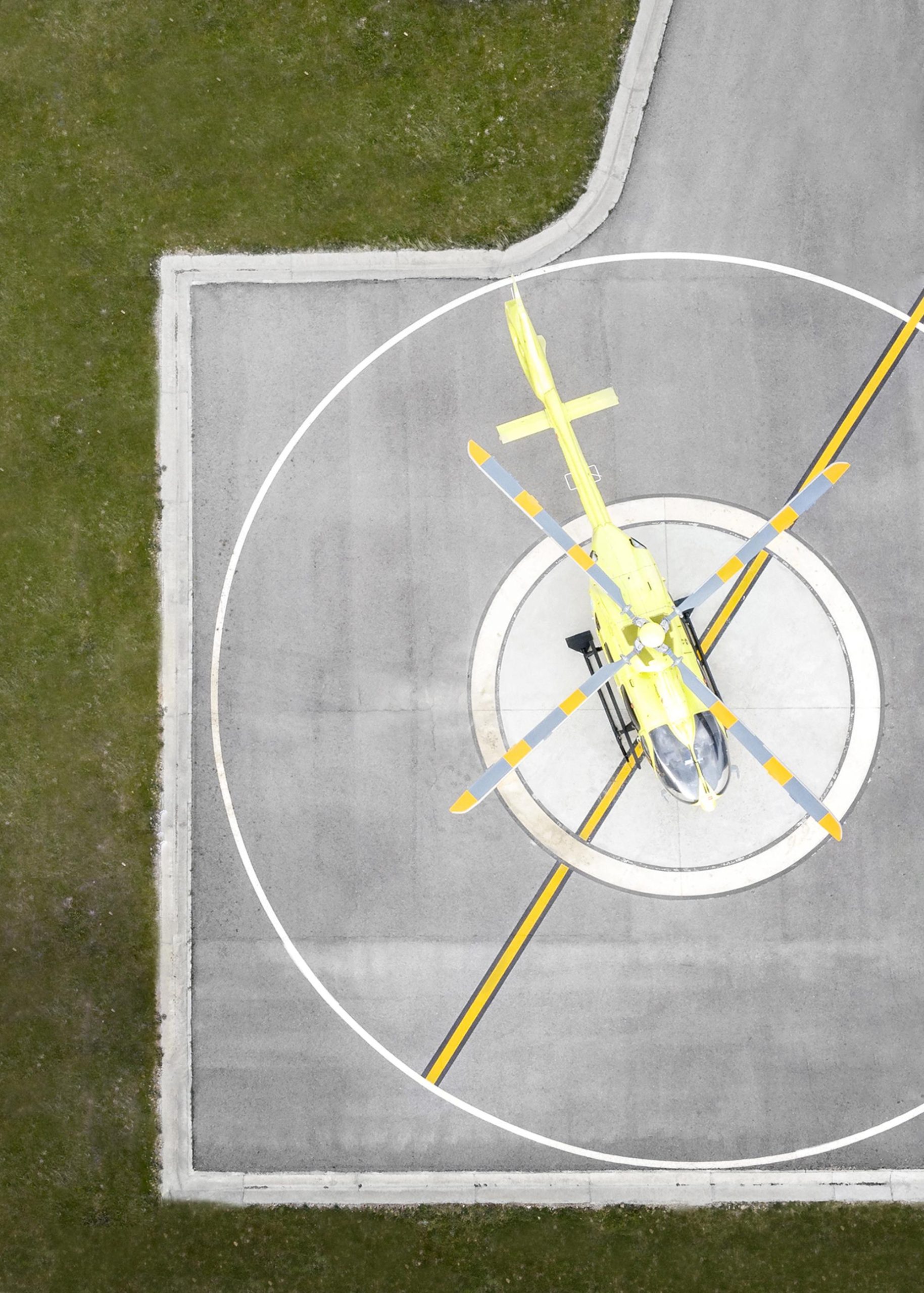
You might wonder exactly what is helipad meaning in the context of modern architecture and engineering. Simply put, a helipad is a designated structural area used specifically for helicopters to safely land and take off. These zones are far more complex than simple flat surfaces painted with a large “H.”
Building these landing zones requires a deep understanding of structural engineering. Aviation experts and architects must balance the heavy impact of a landing aircraft with the environmental stresses the pad will face over time. A poorly constructed pad can lead to structural failure, risking lives and property.
This delicate balance comes down to the materials used during the building process. By comparing the durability and performance of various elements, engineers can select the right components to ensure long-term safety, operational efficiency, and structural integrity.
The Role of Material Science in Aviation Safety
Material science dictates the overall safety and functionality of any aviation infrastructure. When a helicopter lands, it exerts a massive dynamic load on the surface beneath it. The landing area must absorb this shock without warping or cracking.
Engineers evaluate materials based on two primary factors: durability and performance. Durability refers to a material’s ability to resist wear, weather, and repeated impacts over decades. Performance focuses on structural efficiency, such as a high strength-to-weight ratio, ease of installation, and temperature regulation.
Choosing the right components reduces maintenance costs and prevents catastrophic accidents. A helipad built on top of a hospital, for instance, requires very different engineering than one built on solid ground in a desert environment.
Concrete: The Traditional Choice for Durability
Concrete remains the most common material for ground-level helipads. It offers exceptional durability and a massive load-bearing capacity, making it ideal for heavy military or commercial helicopters.
The primary advantage of concrete is its long lifespan and low initial material cost. Once poured and cured, a thick concrete slab can handle daily landings for decades with minimal structural shifting.
However, concrete struggles in the performance category when it comes to weight and climate adaptability. It is incredibly heavy, which makes it entirely unsuitable for most rooftop installations. Furthermore, in regions with extreme temperature fluctuations, moisture can seep into the concrete. When this water freezes and thaws, it causes the surface to crack and degrade, requiring expensive and disruptive repairs.
Aluminum: Performance and Lightweight Engineering
When architects design rooftop helipads for skyscrapers or hospitals, aluminum is typically the material of choice. Aluminum excels in performance due to its incredible strength-to-weight ratio.
Using aluminum allows builders to install a landing pad without adding excessive dead weight to the existing building structure. These systems are often prefabricated in factories, shipped to the location, and assembled quickly on-site. This modular approach significantly reduces construction time and labor costs.
Aluminum is also naturally resistant to rust and corrosion. This makes it an excellent choice for coastal environments or offshore oil rigs where saltwater destroys lesser metals. While the upfront cost of an aluminum system is higher than concrete, its low maintenance requirements and exceptional longevity often make it a smarter financial investment over time.
Steel and Composite Materials in Modern Design
Steel provides immense structural strength and is frequently used to build the support trusses and frameworks beneath the actual landing surface. It handles heavy loads brilliantly. However, steel is highly susceptible to rust. To maintain its durability, steel must be heavily galvanized or painted, adding to ongoing maintenance costs.
To solve the weight and corrosion issues associated with traditional metals, engineers are increasingly turning to advanced composite materials. Fiber-reinforced polymers and carbon composites offer the strength of steel at a fraction of the weight.
Composites are immune to rust, resistant to chemical spills, and unaffected by freeze-thaw cycles. While they are currently the most expensive option on the market, their flawless blend of high performance and long-term durability is making them a popular choice for high-end corporate and medical facilities.
Surface Coatings: Balancing Traction and Maintenance
The underlying structure is only one part of the equation. The top layer of the helipad must provide maximum traction to prevent the helicopter from sliding during wet or icy conditions.
Engineers apply specialized surface coatings, such as non-slip epoxy or heavy-duty polyurethane, directly to the concrete or metal base. These coatings serve a dual purpose. They create a high-friction surface for the aircraft’s landing gear, and they seal the underlying material against jet fuel spills, hydraulic fluids, and harsh weather.
Maintaining these coatings is vital. Over time, UV rays and heavy friction will wear down the textured surface. Regular inspections and recoating schedules ensure the landing zone remains safe and compliant with strict aviation regulations.
Selecting the Ideal Material for Your Environment
Designing a safe and reliable helipad requires a careful analysis of the specific location and the types of aircraft that will use it. Ground-level projects with flexible weight limits often benefit from the raw durability and cost-effectiveness of concrete. Conversely, elevated structures and offshore platforms demand the lightweight performance and corrosion resistance of aluminum or advanced composites.
By understanding the unique strengths and weaknesses of these construction materials, developers can build infrastructure that meets rigorous safety standards while staying within budget. If you are planning a new aviation project, consult with an experienced structural engineer to determine the exact material specifications required for your specific geographic and architectural needs.
voters
Report Story 
Related Stories












Recent Stories